
Importance of Ultrasound in Pregnancy and Women’s Health
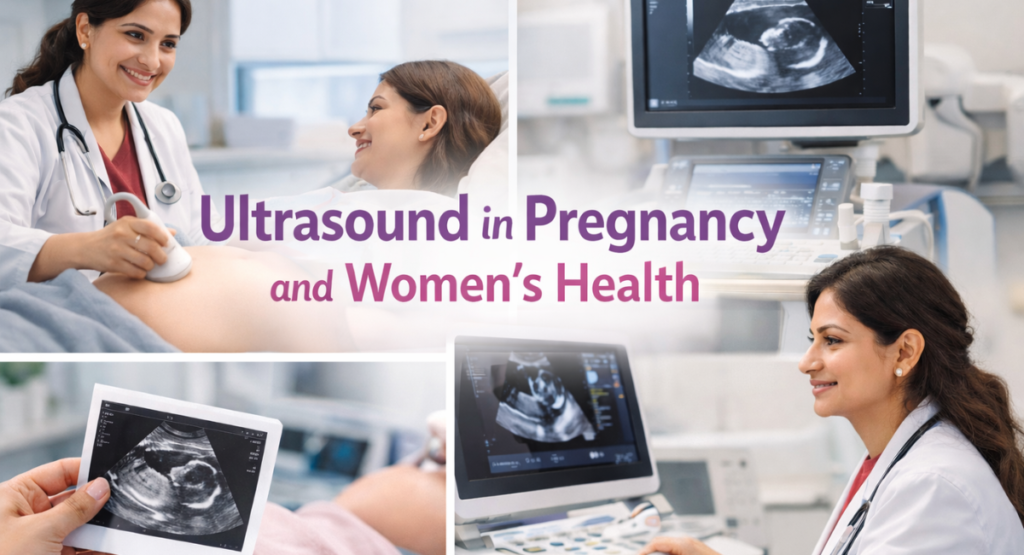
Ultrasound is one of the most important diagnostic tools used in modern gynecology and pregnancy care. It helps doctors examine internal reproductive organs, monitor fetal development, and detect potential health problems at an early stage. Because ultrasound uses sound waves instead of radiation, it is considered a safe and effective method for evaluating both pregnancy and women’s reproductive health. Regular ultrasound scans are essential for monitoring a healthy pregnancy. They help doctors ensure that the baby is developing normally and allow early detection of complications if they occur. For women planning pregnancy or already expecting, proper medical guidance from the best gyno doctor in indore can help ensure accurate diagnosis and safe monitoring throughout the pregnancy journey. What is an Ultrasound Scan? An ultrasound scan is a medical imaging technique that uses high-frequency sound waves to create images of organs and tissues inside the body. These sound waves bounce off internal structures and produce real-time images on a monitor, allowing doctors to evaluate the condition of reproductive organs. In gynecology, ultrasound is commonly used to examine the uterus, ovaries, cervix, and fallopian tubes. During pregnancy, it helps monitor the baby’s growth and development while also checking the placenta and amniotic fluid levels. Unlike many other diagnostic tests, ultrasound does not expose the body to radiation, making it completely safe for pregnant women and developing babies. For accurate results and proper evaluation, it is always recommended to undergo scans under the guidance of the best gyno doctor in indore. Types of Ultrasound Scans in Pregnancy Different ultrasound scans are recommended during pregnancy to monitor the health of both the mother and the baby. Each scan serves a specific purpose at different stages of pregnancy. Early Pregnancy Scan The early pregnancy scan is usually performed in the first trimester. This scan confirms the pregnancy and helps determine the baby’s gestational age. It also checks the baby’s heartbeat and ensures that the pregnancy is developing inside the uterus. This scan is especially important for women who experience symptoms such as abdominal pain or bleeding during early pregnancy. NT Scan The Nuchal Translucency (NT) scan is typically performed between 11 and 14 weeks of pregnancy. This scan measures the fluid behind the baby’s neck and helps assess the risk of certain chromosomal abnormalities. Doctors may combine this scan with blood tests to improve the accuracy of screening results. Anomaly Scan The anomaly scan is usually done between 18 and 22 weeks of pregnancy. It is a detailed scan that examines the baby’s organs, brain, heart, spine, and limbs. This scan helps detect structural abnormalities and ensures that the baby’s organs are developing properly. Careful monitoring by the best gyno doctor in indore ensures that any abnormalities are identified early and managed appropriately. Growth Scan Growth scans are performed during the later stages of pregnancy to monitor the baby’s development and weight. These scans also check the baby’s position and the level of amniotic fluid. Regular growth monitoring helps doctors assess whether the baby is developing normally and whether any medical intervention is required. Role of Ultrasound in Women’s Health Ultrasound is not only important during pregnancy but also plays a significant role in diagnosing various gynecological conditions. It helps doctors examine the reproductive organs and detect abnormalities that may affect a woman’s health. Some common conditions diagnosed through ultrasound include: PCOS / PCOD: Ultrasound helps identify enlarged ovaries with multiple cysts, which are typical features of polycystic ovary syndrome. Ovarian Cysts: Doctors can detect and monitor cysts in the ovaries and determine whether treatment is necessary. Uterine Fibroids: Fibroids are non-cancerous growths in the uterus that can cause heavy bleeding and pelvic pain. Pelvic Pain: Ultrasound can help identify the cause of unexplained pelvic pain. Infertility Problems: Ultrasound helps evaluate the uterus and ovaries in women who are trying to conceive. With the help of modern imaging techniques, the best gyno doctor in indore can diagnose these conditions early and recommend appropriate treatment. Is Ultrasound Safe During Pregnancy? Many women worry about the safety of ultrasound during pregnancy. However, ultrasound is considered a safe and reliable diagnostic method that has been used worldwide for many years. Since ultrasound uses sound waves rather than radiation, it does not harm the baby or the mother. Doctors recommend ultrasound scans only when they are medically necessary to monitor fetal development and detect possible complications. Regular checkups with the best gyno doctor in indore help ensure that ultrasound scans are performed safely and only when required. When Should You Get an Ultrasound? The timing and number of ultrasound scans may vary depending on a woman’s health condition and pregnancy stage. However, doctors usually recommend ultrasound in the following situations: Getting these scans done at the right time helps doctors track the baby’s development and ensure a healthy pregnancy. Conclusion Ultrasound plays a crucial role in modern gynecology and pregnancy care. It allows doctors to monitor the baby’s development, detect gynecological conditions, and identify potential complications early. Regular ultrasound examinations help ensure the health and safety of both the mother and the baby. Whether it is confirming pregnancy, monitoring fetal growth, or diagnosing reproductive health issues, ultrasound remains one of the most reliable diagnostic tools available today. For accurate diagnosis, safe pregnancy care, and expert medical guidance, consulting the best gyno doctor in indore is essential. With proper care, timely ultrasound scans, and professional support, women can maintain better reproductive health and experience a safe pregnancy journey. For more information or appointments, visit:Mygynecologistindore.com
What Your Body Tries to Tell You About Hidden Pelvic Problems
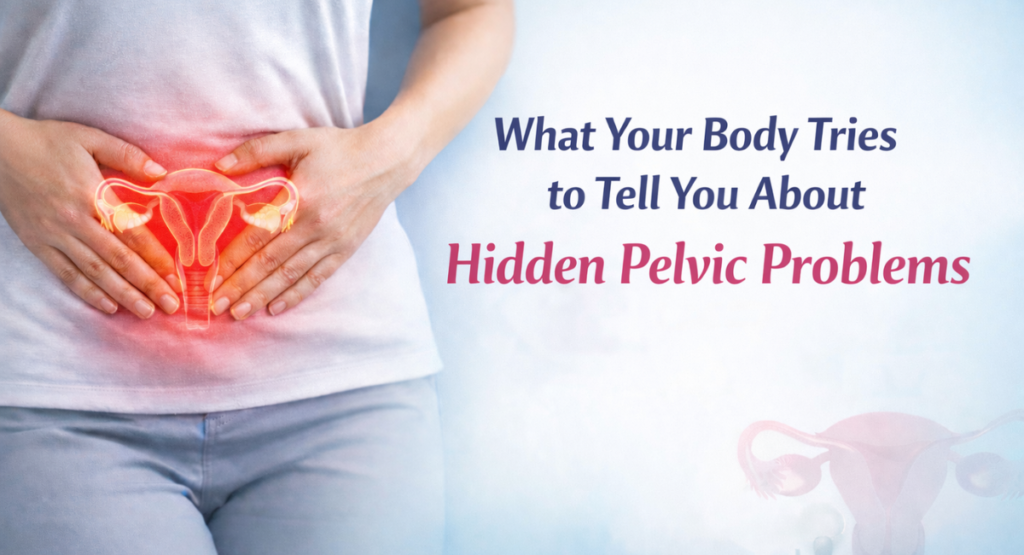
Many women ignore mild discomfort, irregular periods, or occasional pelvic pain, thinking it is “normal.” However, your body often gives early warning signs before a condition becomes serious. Hidden pelvic problems can quietly affect your reproductive health, fertility, and overall well-being. Understanding these signals can help you seek timely medical care and prevent long-term complications. If you are experiencing persistent symptoms, consulting the best gynae in indore can help you identify the root cause early and begin the right treatment. Understanding Hidden Pelvic Problems The pelvis houses important organs including the uterus, ovaries, fallopian tubes, bladder, and rectum. When something goes wrong in this area, the symptoms may be subtle at first. Some common hidden pelvic conditions include: Many of these conditions develop gradually and may not cause severe pain initially. That’s why recognizing early body signals is crucial. 1. Persistent Pelvic Pain Occasional cramps during periods are common. But if you experience pelvic pain that: It may indicate endometriosis, fibroids, infection, or ovarian cysts. Chronic pelvic pain should never be ignored. Early consultation with the best gynae in indore can help determine whether imaging tests or hormonal evaluations are needed. 2. Irregular or Heavy Periods Your menstrual cycle is one of the strongest indicators of reproductive health. Hidden pelvic disorders often affect hormone balance, leading to: Conditions like PCOS and fibroids commonly present with irregular bleeding patterns. If your cycle suddenly changes, your body may be signaling a deeper issue. 3. Pain During Intercourse Pain during intimacy is not “normal” and should not be ignored. It can be caused by: Many women hesitate to discuss this symptom, but it is a key sign of hidden pelvic problems. Proper diagnosis ensures relief and prevents worsening of the condition. 4. Unusual Vaginal Discharge Changes in color, odor, or texture of vaginal discharge may signal infection or inflammation. Pelvic Inflammatory Disease (PID), which often develops due to untreated infections, can cause: Early treatment is important to prevent fertility complications. 5. Difficulty Getting Pregnant If you have been trying to conceive for over a year without success, underlying pelvic conditions could be the reason. Issues such as blocked fallopian tubes, PCOS, or endometriosis can interfere with ovulation and fertilization. In such cases, consulting the best gynae in indore ensures timely fertility evaluation and appropriate treatment planning. 6. Frequent Urination or Pressure Sensation Do you feel constant pressure in the lower abdomen or an urge to urinate frequently? This could indicate: These symptoms are often mistaken for urinary infections but may actually be linked to pelvic health problems. 7. Lower Back Pain Persistent lower back pain, especially around your menstrual cycle, may be connected to endometriosis or pelvic inflammation. When pelvic organs are affected, the pain can radiate to the lower back or thighs. If back pain worsens during periods, it’s wise to seek evaluation from the best gynae in indore to rule out underlying gynecological causes. 8. Bloating and Digestive Issues Chronic bloating, constipation, or painful bowel movements may be associated with pelvic disorders. Endometriosis affecting the bowel or large ovarian cysts can cause digestive discomfort. If bloating is persistent and unrelated to diet, it may be time for a medical check-up. Why Early Diagnosis Matters Ignoring early signs can lead to complications such as: When diagnosed early, many pelvic problems can be managed with medications, hormonal therapy, lifestyle modifications, or minimally invasive procedures. Lifestyle Steps to Support Pelvic Health While medical treatment is essential, maintaining a healthy lifestyle can support pelvic health: Preventive care plays a significant role in reducing complications. When Should You See a Doctor? You should consult a gynecologist if you experience: Timely evaluation by the best gynae in indore ensures that even subtle symptoms are thoroughly assessed through ultrasound, hormonal tests, or other diagnostic procedures. Breaking the Silence Around Pelvic Health Many women normalize discomfort because they have been told “period pain is common.” While mild cramps are normal, severe or persistent symptoms are not. Listening to your body and seeking professional help can protect your long-term health. If you notice repeated warning signs, do not delay. Early consultation with the best gynae in indore can help detect hidden pelvic problems before they progress. Conclusion Your body constantly communicates with you. Pelvic pain, irregular cycles, unusual discharge, fertility struggles, or pressure in the lower abdomen are not random issues. They may be signals of hidden pelvic problems that require attention. Ignoring these symptoms can lead to complications, but early diagnosis and proper care can restore comfort, improve fertility outcomes, and enhance overall quality of life. If you recognize any of these signs, prioritize your health and consult the best gynae in indore for a comprehensive evaluation and personalized treatment plan.
Infertility Treatment in Indore – Achieve Your Dream of Parenthood

Parenthood is one of life’s most beautiful journeys. However, for many couples, conceiving naturally may not happen as quickly as expected. If you have been trying to conceive for over a year (or six months if over 35) without success, it may be time to seek professional help. The good news is that modern medical science offers advanced infertility treatments that can significantly improve your chances of pregnancy .If you are searching for trusted infertility treatment, consulting the best gyno doctor in indore can help you understand the root cause and explore the most effective solutions tailored to your condition. Understanding Infertility Infertility is defined as the inability to conceive after regular, unprotected intercourse for a certain period. It can affect both men and women and may result from a variety of medical, hormonal, or lifestyle factors. Infertility is more common than many people realize. With proper diagnosis and timely treatment, many couples successfully achieve pregnancy. Common Causes of Female Infertility Ovulation Disorders Conditions like PCOS (Polycystic Ovary Syndrome) can prevent regular ovulation. Blocked Fallopian Tubes Infections, endometriosis, or previous surgeries can block the tubes. Hormonal Imbalance Thyroid disorders or prolactin imbalance may affect fertility. Endometriosis This condition causes uterine tissue to grow outside the uterus, leading to pain and fertility issues. Age Factor Fertility naturally declines after 35 years of age. Consulting the best gyno doctor in indore ensures a detailed evaluation to identify these underlying issues early. Common Causes of Male Infertility Infertility is not only a female issue. Male factors contribute to nearly 40–50% of cases. A comprehensive fertility evaluation includes testing both partners. When Should You Seek Infertility Treatment? You should consider consulting a fertility specialist if: Early consultation with the best gyno doctor in indore increases the chances of successful treatment. Diagnostic Tests for Infertility To determine the cause of infertility, doctors may recommend: These tests help create a personalized treatment plan. Advanced Infertility Treatment Options in Indore Modern fertility treatments offer hope to couples facing challenges. Some common treatment options include: 1. Ovulation Induction Medications are prescribed to stimulate ovulation. 2. Intrauterine Insemination (IUI) Healthy sperm is processed and placed directly inside the uterus to increase fertilization chances. 3. In Vitro Fertilization (IVF) Includes ovarian stimulation, egg retrieval, laboratory fertilization, and embryo transfer. Choosing the best gyno doctor in indore ensures advanced IVF techniques and personalized monitoring for higher success rates. 4. ICSI A single sperm is injected directly into the egg for severe male infertility cases. 5. Laparoscopic Surgery Used to treat fibroids, endometriosis, and ovarian cysts through minimally invasive procedures. Lifestyle Changes That Improve Fertility ✔ Maintain healthy body weight✔ Follow a balanced diet✔ Exercise regularly✔ Avoid smoking and alcohol✔ Reduce stress✔ Track ovulation Combining medical guidance from the best gyno doctor in indore with healthy habits improves success rates. About Dr. Anshu Baser – Fertility & Laparoscopic Expert in Indore When it comes to fertility care, experience and expertise matter. Dr. Anshu Baser is a highly qualified Gynecologist & Fertility Care Expert dedicated to helping couples achieve successful pregnancies. Speciality: Dr. Anshu Baser has 9 years of experience in gynecology and infertility treatment. She combines advanced reproductive technologies with compassionate patient care to ensure personalized treatment plans for every couple. If you are looking for expert fertility guidance, consulting the best gyno doctor in indore can provide you with accurate diagnosis, ethical treatment options, and continuous emotional support throughout your journey. Emotional Challenges of Infertility Infertility affects emotional well-being as much as physical health. Couples may experience stress, anxiety, depression, and social pressure. A compassionate fertility specialist understands both medical and emotional aspects of treatment. Why Early Diagnosis Matters Delaying treatment can reduce fertility potential, especially in women over 35. Early intervention offers: Consulting the best gyno doctor in indore at the right time can make a significant difference. Your Dream of Parenthood Is Possible Infertility can feel overwhelming, but it is treatable in many cases. With the right diagnosis, advanced treatment options, and emotional support, thousands of couples successfully welcome healthy babies each year. If you are struggling to conceive, do not lose hope. Seeking timely consultation with the best gyno doctor in indore can guide you toward the right path and bring you closer to achieving your dream of parenthood. Remember, infertility is a medical condition—not a failure. With modern science and compassionate care, parenthood is possible.
Unusual Bleeding or Pelvic Pain? When Women’s Health Needs Attention
Women often ignore changes in their bodies, especially when it comes to menstrual irregularities or lower abdominal discomfort. Many assume it’s “normal,” due to stress, hormonal imbalance, or lifestyle changes. However, unusual bleeding or persistent pelvic pain can sometimes signal an underlying health issue that needs medical attention. In such situations, consulting the best gynae in indore can help ensure timely diagnosis, proper treatment, and long-term reproductive health care. Understanding when symptoms are harmless and when they require professional care is crucial for protecting long-term reproductive and overall health. Let’s explore what unusual bleeding and pelvic pain mean, their possible causes, warning signs, and when to consult a specialist. What Is Considered Unusual Bleeding? Menstrual cycles vary from woman to woman. However, bleeding may be considered unusual if it includes: Occasional irregularity may not be serious, but repeated abnormal bleeding should never be ignored. Understanding Pelvic Pain Pelvic pain refers to discomfort in the lower abdomen, below the belly button, and between the hips. It may be: Some women experience mild pain during menstruation, which can be normal. However, severe, persistent, or worsening pelvic pain requires evaluation. If you are unsure about your symptoms, consulting the best gynae in indore can help identify the root cause early. Common Causes of Unusual Bleeding 1. Hormonal Imbalance Hormones regulate your menstrual cycle. Stress, thyroid disorders, PCOS, or sudden weight changes can disturb this balance, causing irregular or heavy bleeding. 2. Polycystic Ovary Syndrome (PCOS) PCOS is one of the leading causes of irregular periods. Women may experience: 3. Uterine Fibroids Fibroids are non-cancerous growths in the uterus that can cause: 4. Endometriosis This painful condition occurs when tissue similar to the uterine lining grows outside the uterus, leading to: 5. Infections Pelvic infections or sexually transmitted infections can cause: 6. Pregnancy-Related Issues Bleeding during early pregnancy may indicate: Immediate medical attention is necessary in such cases. Causes of Pelvic Pain Pelvic pain can arise from multiple systems in the body, including reproductive, urinary, or digestive systems. Gynecological Causes Urinary Causes Digestive Causes Because pelvic pain has many possible causes, diagnosis should not be delayed. Consulting the best gynae in indore ensures proper investigation and treatment planning. Warning Signs You Should Not Ignore Seek medical care immediately if you experience: Early detection can prevent complications and improve treatment outcomes. Why Women Often Delay Treatment Many women delay seeing a doctor because: However, ignoring symptoms can lead to worsening conditions and fertility complications. Regular gynecological checkups are essential for early detection. Choosing the best gynae in indore gives women confidence, comfort, and professional guidance in addressing sensitive health concerns. How Doctors Diagnose the Problem If you visit a gynecologist for unusual bleeding or pelvic pain, the evaluation may include: These tests help determine the exact cause and guide treatment. Treatment Options Available Treatment depends on the underlying cause. For Hormonal Imbalance For Fibroids or Cysts For Infections For Endometriosis Modern gynecology focuses on minimally invasive techniques, reducing recovery time and discomfort. An experienced and compassionate approach from the best gynae in indore ensures personalized care tailored to each woman’s needs. When Is It an Emergency? Certain symptoms require urgent medical attention: Never ignore emergency symptoms. Timely action can save lives. The Importance of Regular Gynecological Checkups Routine checkups help in: Even if you feel healthy, annual visits to a gynecologist are recommended. Women who consult the best gynae in indore regularly are more likely to maintain balanced reproductive health and prevent long-term issues. Lifestyle Tips to Support Women’s Health While medical care is essential, lifestyle also plays a major role. * Maintain a healthy weight* Eat iron-rich and balanced meals* Exercise regularly* Manage stress levels* Avoid self-medication* Track your menstrual cycle Using a period tracking app can help identify abnormal patterns early. Emotional Impact of Gynecological Symptoms Unusual bleeding and pelvic pain can affect mental health too. Women may feel: Open communication with a qualified specialist reduces stress and provides clarity about diagnosis and treatment options. Breaking the Silence Around Women’s Health In many families, discussions about menstrual health are still considered taboo. This silence prevents women from seeking timely help. Women should feel empowered to: Consulting the best gynae in indore provides not just treatment but also education and reassurance. Final Thoughts Unusual bleeding or pelvic pain is your body’s way of signaling that something may need attention. While not every symptom indicates a serious problem, persistent or severe signs should never be ignored. Early diagnosis leads to better outcomes, faster recovery, and peace of mind. If you are experiencing irregular bleeding, persistent pelvic pain, or any concerning symptoms, do not delay seeking professional advice. Timely consultation with the best gynae in indore can make all the difference in protecting your reproductive health and overall well-being. Your health deserves attention, care, and expert guidance—because prevention is always better than cure.
Laparoscopy vs Hysteroscopy: Which Procedure Is Right for You?
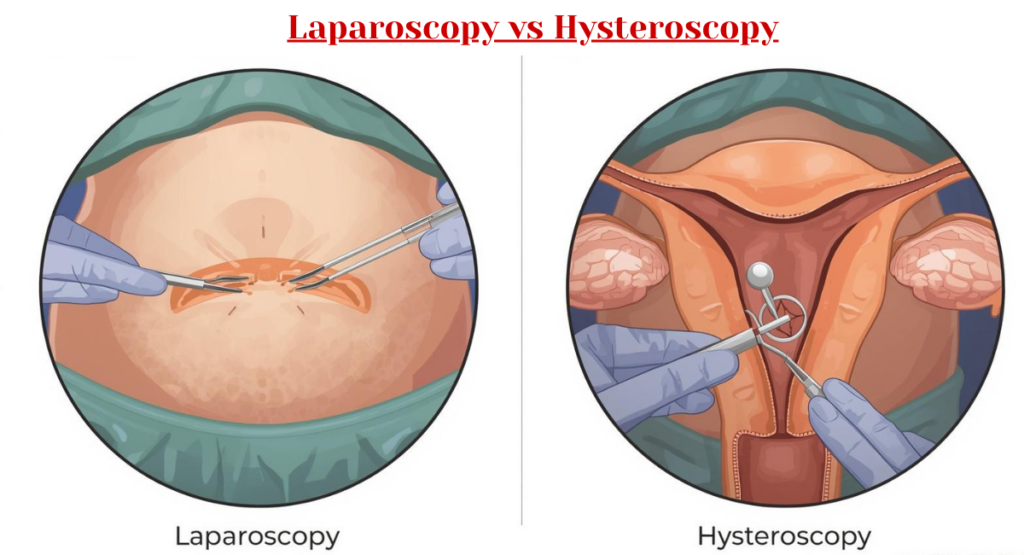
Laparoscopy vs Hysteroscopy: Let’s Clear It Up Once and for All When it comes to modern gynecological diagnosis and treatment, minimally invasive procedures have completely changed the way women’s health issues are managed. Two of the most commonly recommended procedures are Laparoscopy and Hysteroscopy.Although they sound similar and are often confused with each other, they serve very different purposes. Many women feel anxious simply because they don’t understand what these procedures involve. This blog aims to clear the confusion, explain both procedures in detail, and help you understand which one is right for your condition.If you are consulting the best gyno doctor in indore, you will often hear these terms during infertility evaluation, abnormal bleeding, or pelvic pain assessment. What Is Laparoscopy? Laparoscopy is a minimally invasive surgical procedure used to examine and treat conditions inside the abdomen and pelvis. It allows doctors to see organs such as the uterus, ovaries, fallopian tubes, and surrounding pelvic structures. How Laparoscopy Is Done Common Conditions Diagnosed or Treated with Laparoscopy Because laparoscopy gives a complete view of the pelvic organs, it is considered the gold standard for diagnosing many hidden gynecological problems. What Is Hysteroscopy? Hysteroscopy is a procedure used to examine the inside of the uterus (uterine cavity). Unlike laparoscopy, it does not involve any abdominal incisions. How Hysteroscopy Is Done Common Conditions Diagnosed or Treated with Hysteroscopy Women visiting the best gyno doctor in indore for irregular periods or repeated IVF failures are often advised hysteroscopy for accurate diagnosis. Key Differences Between Laparoscopy and Hysteroscopy Let’s break it down clearly 1. Area Examined 2. Type of Procedure 3. Anesthesia Required 4. Recovery Time 5. Pain and Discomfort 6. Hospital Stay Which Procedure Is Better? This is one of the most common questions – but the answer is simple: Neither is better. They are different. The choice depends entirely on: An experienced specialist, such as the best gyno doctor in indore, will recommend the right procedure based on what needs to be examined or treated. Laparoscopy in Infertility Treatment Laparoscopy plays a crucial role in infertility diagnosis, especially when: In many cases, diagnosis and treatment are done in the same procedure, improving chances of natural conception. Hysteroscopy in Fertility and IVF Hysteroscopy is extremely important before IVF or fertility treatments. Even small abnormalities inside the uterus can prevent implantation. Benefits include: Most fertility experts and the best gyno doctor in indore recommend hysteroscopy before advanced fertility procedures. Are These Procedures Safe? Yes. Both laparoscopy and hysteroscopy are safe and widely practiced procedures when performed by trained specialists. Possible Risks (Rare) Choosing an experienced gynecologist significantly reduces risks and ensures faster recovery. Cost Difference Between Laparoscopy and Hysteroscopy While costs vary based on hospital and complexity: Your doctor will explain the cost clearly before the procedure. How to Prepare for the Procedure Before Laparoscopy Before Hysteroscopy Life After the Procedure Most women return to normal routine quickly: Proper follow-up with the best gyno doctor in indore ensures optimal results and peace of mind. Final Thoughts Understanding the difference between laparoscopy and hysteroscopy removes fear and empowers women to make informed decisions about their health. Both procedures are valuable tools in modern gynecology, and when used correctly, they can diagnose problems early, improve fertility outcomes, and avoid unnecessary major surgeries. If you are experiencing symptoms like infertility, abnormal bleeding, or chronic pelvic pain, consult the best gyno doctor in indore to determine which procedure is right for you.
Best Gynecologist in Indore – Complete Guide to Women’s Health Care

Women’s health is one of the most important aspects of overall well-being, and choosing the Best Gynecologist in Indore plays a crucial role in maintaining it. From adolescence to pregnancy, childbirth, and menopause, a woman’s body goes through multiple changes that require expert medical care, guidance, and emotional support. If you are looking for trusted gynecological care in Indore, this guide will help you understand why consulting an experienced gynecologist is essential and what services you should expect from the best women’s health specialist. Who Is a Gynecologist and Why Are They Important? A gynecologist is a medical specialist who focuses on women’s reproductive health, including the uterus, ovaries, fallopian tubes, and breasts. The Best Gynecologist in Indore not only treats medical conditions but also helps women with preventive care, early diagnosis, and long-term health planning. Regular visits to a gynecologist help in: When Should You Visit the Best Gynecologist in Indore? Many women delay visiting a gynecologist until a serious problem arises. However, early consultation can prevent complications. You should visit a gynecologist if you experience: Routine checkups are equally important even if you don’t have any symptoms. Pregnancy & Maternity Care Pregnancy is a beautiful yet delicate phase that requires expert monitoring. The Best Gynecologist in Indore provides complete pregnancy care, ensuring the safety of both mother and baby. Services include: Proper prenatal care helps reduce risks and ensures a healthy childbirth experience. Infertility Evaluation & Treatment Infertility can be emotionally challenging for couples. Consulting the Best Gynecologist in Indore helps identify the root cause and plan effective treatment. Common infertility services: Early diagnosis increases the chances of successful conception. PCOS & Hormonal Disorder Management Polycystic Ovary Syndrome (PCOS) is a common condition affecting many women today. Symptoms include irregular periods, weight gain, acne, and excess hair growth. The Best Gynecologist in Indore provides: Managing PCOS early prevents complications like diabetes and infertility. Menstrual & Gynecological Problems Gynecological issues can affect daily life if left untreated. Expert gynecologists handle conditions such as: With modern diagnostic tools and minimally invasive treatments, recovery is faster and safer. Menopause Care & Women’s Wellness Menopause brings physical and emotional changes that need proper medical support. The Best Gynecologist in Indore helps women manage symptoms such as: Personalized treatment ensures comfort and quality of life during this phase. Preventive Care & Regular Checkups Prevention is better than cure. Regular visits to the Best Gynecologist in Indore help detect health issues early. Preventive services include: These screenings play a vital role in preventing serious conditions like cervical and breast cancer. Why Choose the Best Gynecologist in Indore? Choosing the right gynecologist ensures: An experienced gynecologist focuses not just on treatment but also on patient education and emotional support. How to Choose the Right Gynecologist? When selecting the Best Gynecologist in Indore, consider: A good gynecologist listens patiently and explains treatment options clearly. Conclusion Women’s health deserves expert attention at every stage of life. Consulting the Best Gynecologist in Indore ensures comprehensive care, early diagnosis, and effective treatment for all gynecological concerns. Whether it’s pregnancy care, infertility treatment, PCOS management, or routine checkups, timely medical guidance leads to a healthier and happier life. If you are searching for trusted women’s healthcare in Indore, don’t delay—book a consultation today and take the first step toward better health.
Postpartum & Postnatal Care by Female Gynecologist in Indore
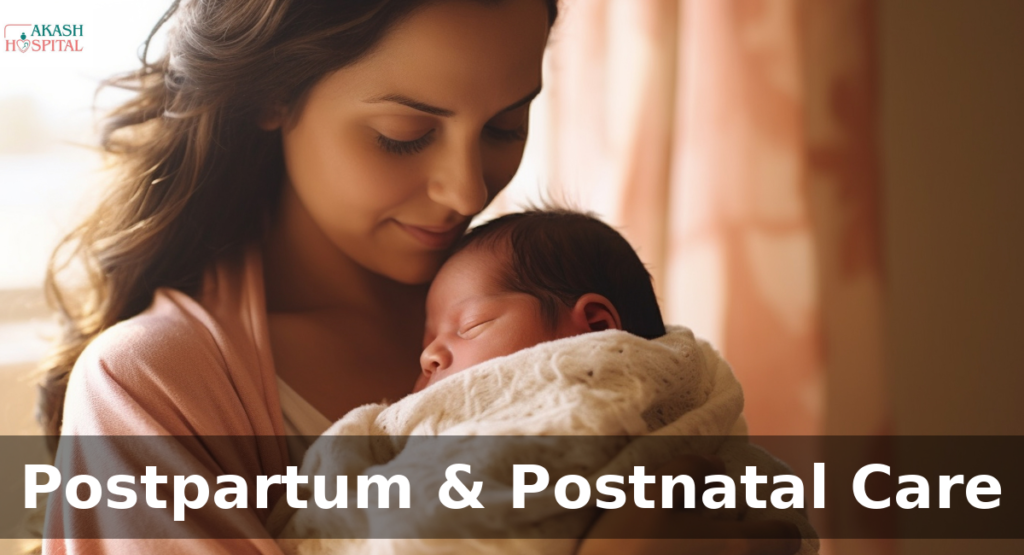
Postpartum & Postnatal Care: A Complete Guide for New Mothers Motherhood is a beautiful journey, but the period after childbirth—known as the postpartum or postnatal phase—is equally important for a woman’s physical and emotional well-being. Many new mothers focus entirely on their newborn and ignore their own health, which can lead to complications if proper care is not taken. Postpartum care plays a crucial role in helping a woman recover from pregnancy, childbirth, and adjust to the new responsibilities of motherhood, especially when guided by an experienced Female Gynecologist in Indore. This blog explains what postpartum care is, why it is important, how long recovery takes, when to visit a gynecologist after delivery, common postpartum complications, and how postnatal care supports breastfeeding mothers. What Is Postpartum Care and Why Is It Important? Postpartum care refers to the medical, physical, and emotional support a woman receives after giving birth. This phase usually begins immediately after delivery and continues for several weeks or even months. The body goes through many changes during pregnancy and childbirth, and postpartum care helps ensure that these changes heal properly. Postpartum care is important because: A qualified Female Gynecologist in Indore understands the physical and emotional needs of new mothers and provides personalized postnatal care in a comfortable and supportive environment. Physical Changes After Delivery After childbirth, a woman’s body starts healing immediately. Some common physical changes include: 1. Uterine Shrinkage The uterus slowly contracts back to its pre-pregnancy size. This process can cause mild cramping, especially during breastfeeding. 2. Vaginal Bleeding (Lochia) Postpartum bleeding is normal and can last for 2–6 weeks. The color changes from bright red to pink and then white or yellow. 3. Perineal Pain Women who have had vaginal deliveries may experience soreness, swelling, or stitches in the perineal area. 4. Cesarean Section Recovery Mothers who have a C-section need special care for wound healing, pain management, and mobility. Regular follow-ups with a Female Gynecologist in Indore help ensure these changes are progressing normally. How Long Does Postpartum Recovery Take? Postpartum recovery is different for every woman. While some feel better within a few weeks, others may take several months to fully recover. Typical Recovery Timeline Complete recovery depends on: Consulting a Female Gynecologist in Indore during this phase ensures recovery stays on the right track. When Should New Mothers Visit a Gynecologist After Delivery? Postnatal checkups are essential for monitoring recovery and preventing complications. Recommended Visit Schedule During these visits, the gynecologist will: A trusted Female Gynecologist in Indore helps new mothers feel comfortable discussing sensitive physical and emotional issues. Common Postpartum Complications While many women recover smoothly, some may experience postpartum complications that require medical attention. 1. Excessive Bleeding Heavy bleeding beyond normal lochia can be a sign of postpartum hemorrhage and needs immediate care. 2. Infection Symptoms may include fever, foul-smelling discharge, pain, or redness around stitches or C-section wounds. 3. Postpartum Depression Mood swings are common, but prolonged sadness, anxiety, or lack of interest in the baby may indicate postpartum depression. 4. Urinary or Bowel Problems Difficulty controlling urine or bowel movements can occur due to pelvic floor weakness. 5. Breast Issues Engorgement, blocked ducts, or mastitis can make breastfeeding painful. Early diagnosis and treatment by a Female Gynecologist in Indore can prevent these complications from becoming serious. Emotional and Mental Health After Childbirth Postpartum care is not just about physical healing-it also focuses on emotional well-being. Baby Blues Many women experience mood swings, crying spells, or anxiety in the first two weeks due to hormonal changes. Postpartum Depression This is more serious and may include: Timely support, counseling, and medical guidance from a Female Gynecologist in Indore can make a significant difference in recovery. How Does Postpartum Care Support Breastfeeding Mothers? Breastfeeding is natural, but it doesn’t always come easily. Postpartum care plays a vital role in supporting nursing mothers. Breastfeeding Support Includes: Hormonal changes, stress, and fatigue can affect milk production. Regular postpartum visits help mothers overcome challenges and continue breastfeeding comfortably. A compassionate Female Gynecologist in Indore provides reassurance and medical support to ensure both mother and baby remain healthy. Nutrition and Lifestyle in the Postpartum Period Good nutrition and healthy habits are essential for recovery and breastfeeding. Postpartum Nutrition Tips Lifestyle Care Postnatal guidance from a Female Gynecologist in Indore helps mothers balance self-care with newborn care. Importance of Pelvic Floor Care Pregnancy and childbirth weaken pelvic floor muscles, which can cause urinary leakage or pelvic discomfort. Postpartum care may include: These measures help restore strength and prevent long-term issues. Conclusion Postpartum and postnatal care are essential for every new mother. This phase is not just about recovery-it is about rebuilding strength, emotional balance, and confidence in motherhood. From managing physical changes and preventing complications to supporting mental health and breastfeeding, postpartum care ensures holistic well-being. Regular follow-ups, timely guidance, and compassionate support from a Female Gynecologist in Indore can make the postpartum journey healthier, safer, and more comfortable. New mothers should never hesitate to prioritize their own health-because a healthy mother is the foundation of a healthy family.
Pregnant Women Healthy Diet Tips | Best Gynecologist in Indore

Pregnant Women Healthy Diet Tips – Complete Nutrition Guide for a Healthy Pregnancy Pregnancy is one of the most important and life-changing phases in a woman’s journey. During these months, a woman’s body works continuously to nourish and protect the growing baby. Proper nutrition plays a crucial role in ensuring a healthy pregnancy, supporting fetal development, and maintaining the mother’s physical and emotional well-being. A well-planned diet, combined with regular medical guidance from the Best Gynecologist in Indore, helps expectant mothers experience a safer and more comfortable pregnancy. A pregnancy diet is not about eating extra food, but about eating the right food. Balanced nutrition provides essential vitamins, minerals, proteins, and healthy fats that support the baby’s growth while keeping the mother strong and energetic. Making informed food choices can also help reduce pregnancy-related discomforts and complications. Importance of a Healthy Diet During Pregnancy During pregnancy, nutritional needs increase because the baby depends entirely on the mother for growth and development. Essential nutrients such as iron, calcium, protein, folic acid, and healthy fats are required in adequate amounts. Poor nutrition during pregnancy can increase the risk of anemia, gestational diabetes, low birth weight, and delayed fetal development. A nutritious pregnancy diet helps: Guidance from the Best Gynecologist in Indore ensures that dietary needs are adjusted according to each stage of pregnancy and individual health conditions. WHAT PREGNANT WOMEN SHOULD EAT Fresh Fruits for Daily Vitamins Fruits are an essential part of a pregnancy diet as they are rich in vitamins, minerals, antioxidants, and fiber. They help strengthen immunity, improve digestion, and prevent constipation. Healthy fruits for pregnancy include apples, bananas, oranges, pomegranate, mango, pears, and berries. Ripe papaya can be consumed in moderation. Fruits provide natural energy and help maintain hydration levels in the body. Green Leafy Vegetables for Blood and Bone Health Green leafy vegetables are a powerhouse of nutrients such as iron, calcium, folic acid, and fiber. These nutrients are especially important during pregnancy to prevent anemia and support fetal development. Spinach, fenugreek leaves, broccoli, kale, and lettuce help improve hemoglobin levels and support healthy bone formation. Regular intake of green vegetables is strongly recommended by the Best Gynecologist in Indore for maintaining overall pregnancy health. Whole Grains for Sustained Energy Whole grains provide complex carbohydrates that release energy slowly and keep pregnant women active throughout the day. They also help regulate digestion and prevent constipation. Foods such as whole wheat roti, brown rice, oats, quinoa, and millets like ragi and jowar should be included in daily meals. These foods support healthy weight gain and maintain stable blood sugar levels. Protein-Rich Foods for Baby’s Growth Protein is essential for the development of the baby’s muscles, tissues, and organs. It also supports the mother’s body as it undergoes physical changes during pregnancy. Good protein sources include lentils, dals, chickpeas, beans, paneer, tofu, eggs (fully cooked), and well-cooked lean meat or fish. Adequate protein intake helps ensure proper fetal growth and maternal strength, as advised by the Best Gynecologist in Indore. Dairy Products for Calcium and Strength Calcium is vital for the development of the baby’s bones and teeth and helps protect the mother’s bone health. Dairy products also provide protein and vitamin D. Milk, curd, paneer, and pasteurized cheese are safe and beneficial options during pregnancy. Regular consumption helps reduce the risk of bone weakness and muscle cramps. Nuts and Seeds for Healthy Fats Nuts and seeds provide healthy fats, minerals, and antioxidants that support the baby’s brain development and improve the mother’s energy levels. Almonds, walnuts, cashews, chia seeds, flaxseeds, and pumpkin seeds can be consumed in small quantities daily. They also help maintain heart health and hormonal balance during pregnancy. Iron-Rich Foods to Prevent Anemia Iron is crucial for producing hemoglobin and ensuring adequate oxygen supply to the baby. Iron deficiency is common during pregnancy and can cause fatigue and weakness. Iron-rich foods include spinach, beetroot, dates, raisins, jaggery, lentils, and beans. Including vitamin C-rich foods along with iron sources helps improve iron absorption. Healthy Fats for Hormonal Balance Healthy fats support hormone production and help absorb fat-soluble vitamins. They are also important for fetal brain and nervous system development. Ghee, olive oil, coconut oil, nuts, and seeds should be consumed in moderation. Excess intake of unhealthy fats should be avoided to prevent unnecessary weight gain. Fluids and Hydration Proper hydration is essential during pregnancy to prevent dehydration, constipation, and urinary tract infections. Water, coconut water, buttermilk, fresh soups, and homemade juices help maintain fluid balance and support digestion. Pregnant women should drink fluids regularly throughout the day. WHAT PREGNANT WOMEN SHOULD NOT EAT Raw or Undercooked Foods Raw or undercooked foods may contain harmful bacteria that can increase the risk of infections during pregnancy. Foods to avoid include raw eggs, undercooked meat, raw seafood, and partially cooked dishes. Always ensure food is thoroughly cooked before consumption. Unpasteurized Milk and Dairy Products Unpasteurized dairy products can contain bacteria harmful to pregnant women. Raw milk and unpasteurized cheese should be avoided. Pasteurized milk and dairy products are safer choices, as recommended by the Best Gynecologist in Indore. Junk and Fast Food Junk food lacks essential nutrients and is high in unhealthy fats, salt, and calories. Foods such as burgers, pizza, fries, and packaged snacks should be limited, as they can cause excessive weight gain, acidity, and digestive discomfort. Excess Sugar and Sweets High sugar intake increases the risk of gestational diabetes and unhealthy weight gain. Sweets, cakes, pastries, chocolates, and sugary drinks should be limited. Natural sweetness from fruits is a healthier alternative. Excess Caffeine Too much caffeine can affect the baby’s growth and disturb sleep patterns. Coffee, strong tea, and energy drinks should be consumed in moderation or avoided during pregnancy, as advised by the Best Gynecologist in Indore. Street Food and Unhygienic Food Street food may be prepared in unhygienic conditions and increase the risk of foodborne infections. Pregnant women should avoid uncovered or improperly stored food and prefer fresh, home-cooked meals. Raw Papaya, Excess
Lady Doctor near Me for Pregnancy | Fertility & Care Guide
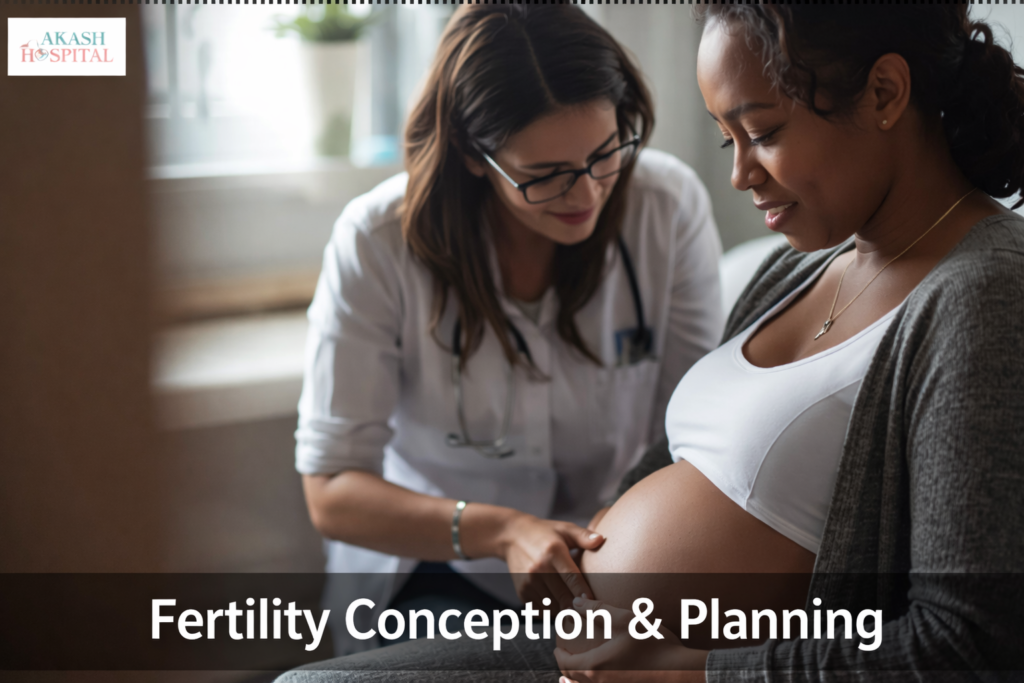
Fertility, Conception & Planning: A Complete Guide for Couples Planning a pregnancy is an exciting phase, but it can also bring many questions, doubts, and emotional challenges. Every couple’s fertility journey is unique, and understanding the basics of conception, age-related fertility changes, lifestyle factors, and medical guidance can make this journey smoother and more informed. In this detailed guide, we will explore how long couples should try before consulting a gynecologist, how age affects fertility, the impact of stress, natural ways to improve fertility, and the crucial role a gynecologist plays in family planning. If you are searching for a Lady Doctor near Me for Pregnancy, this blog will also help you understand when and why expert consultation matters. Understanding Fertility and Conception Fertility refers to the natural ability to conceive and carry a pregnancy to term. Conception occurs when a healthy sperm fertilizes a healthy egg, usually during ovulation. Several factors influence this process, including hormonal balance, reproductive health, lifestyle habits, emotional well-being, and age. While many couples conceive naturally within a few months, others may take longer. This does not always indicate a serious problem, but timely guidance can prevent unnecessary stress and delays. How Long Should Couples Try Before Consulting a Gynecologist for Fertility? One of the most common questions couples ask is: “How long should we try before seeing a doctor?” The answer largely depends on the woman’s age and overall health. General Guidelines: You should also consult a gynecologist earlier if: Many couples start searching online for a Lady Doctor near Me for Pregnancy when they realize they need expert advice in a comfortable and understanding environment. What Age-Related Fertility Changes Should Women Know? Age is one of the most significant factors affecting female fertility. Women are born with a fixed number of eggs, and both the quantity and quality of eggs decline over time. Fertility by Age: Understanding these changes helps women make informed decisions about family planning. Consulting a gynecologist early allows for fertility assessments and proactive planning. This is why many women prefer a Lady Doctor near Me for Pregnancy, as it encourages open communication about sensitive concerns. How Does Stress Affect Conception? Stress is often overlooked but plays a major role in fertility. Chronic stress can disrupt the hormonal balance necessary for ovulation and regular menstrual cycles. Effects of Stress on Fertility: Stress does not directly “cause” infertility, but it can reduce the chances of conception by interfering with the body’s natural reproductive processes. The pressure of trying to conceive, societal expectations, and fear of failure can further add to emotional stress. Managing stress through counseling, relaxation techniques, and medical guidance can significantly improve overall reproductive health. A supportive gynecologist plays an important role in addressing both physical and emotional well-being. Can Lifestyle Changes Improve Fertility Naturally? Yes, lifestyle changes can greatly improve fertility in both women and men. Small but consistent changes often make a big difference. Natural Ways to Improve Fertility: 1. Balanced Diet A diet rich in fruits, vegetables, whole grains, lean protein, and healthy fats supports hormonal balance and egg health. 2. Maintain a Healthy Weight Both underweight and overweight women may face ovulation problems. Maintaining a healthy BMI improves fertility. 3. Regular Exercise Moderate physical activity boosts circulation, reduces stress, and supports hormonal health. Avoid excessive or intense workouts. 4. Adequate Sleep Poor sleep can disrupt reproductive hormones. Aim for 7–8 hours of quality sleep daily. 5. Avoid Smoking and Alcohol Smoking reduces egg quality, and excessive alcohol can affect ovulation and implantation. 6. Reduce Caffeine Intake High caffeine consumption may affect fertility. Moderate intake is recommended. 7. Track Ovulation Understanding the fertile window increases the chances of conception naturally. While these changes are helpful, they may not always be sufficient. In such cases, consulting a specialist or searching for a trusted Lady Doctor near Me for Pregnancy can provide personalized guidance. What Role Does a Gynecologist Play in Family Planning? A gynecologist is not only involved after pregnancy but plays a vital role before conception as well. Key Roles of a Gynecologist in Fertility & Planning: Many women feel more comfortable discussing reproductive health with a female specialist, which is why searches for a Lady Doctor near Me for Pregnancy are very common during the planning phase. When Should You Seriously Consider Medical Help? You should not wait too long if: Early intervention often leads to better outcomes and reduces emotional strain. Emotional Well-being During the Fertility Journey Trying to conceive can be emotionally draining. It is important for couples to: A compassionate gynecologist understands these emotional aspects and supports couples holistically, not just medically. Conclusion Fertility, conception, and family planning are deeply personal journeys influenced by age, lifestyle, emotional health, and medical factors. Understanding when to seek help, making healthy lifestyle changes, managing stress, and consulting the right specialist can significantly improve the chances of conception. If you are planning a pregnancy or facing difficulties conceiving, timely consultation with a trusted Lady Doctor near Me for Pregnancy can provide clarity, confidence, and the right direction for your journey toward parenthood. Remember, seeking help is not a sign of failure—it is a step toward informed, healthy, and hopeful family planning.
Pregnancy & Maternity Care | Women Specialist near Me
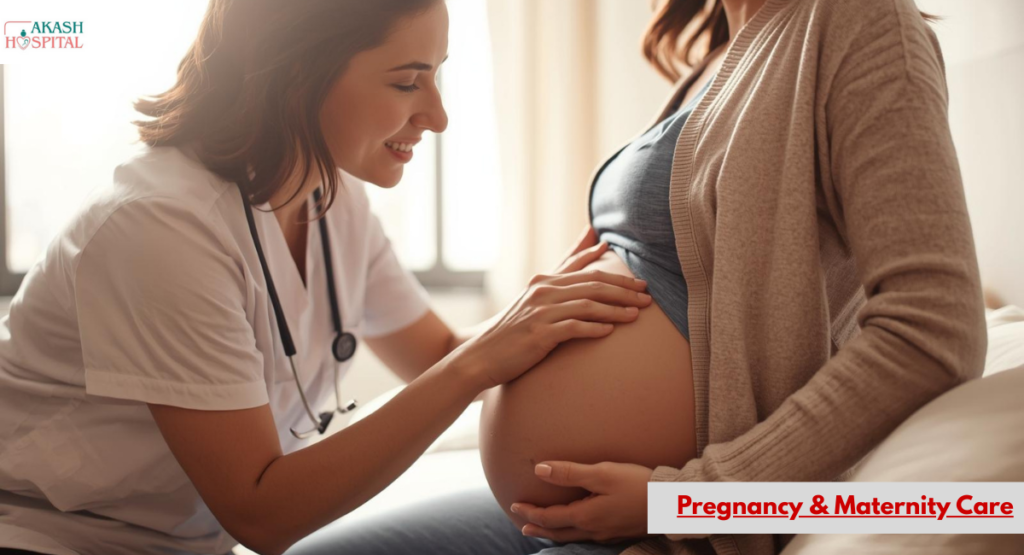
Pregnancy & Maternity Care: A Complete Guide for a Healthy Mother and Baby Pregnancy is one of the most beautiful and transformative phases in a woman’s life. It brings joy, excitement, and anticipation, but it also comes with many physical, emotional, and medical changes. Proper pregnancy and maternity care are essential to ensure the health and well-being of both the mother and the baby. From the moment you see a positive pregnancy test to delivery and beyond, expert medical guidance plays a vital role. In this comprehensive guide, we will cover when to visit a gynecologist after a positive pregnancy test, early signs of pregnancy, antenatal checkup schedules, foods to avoid, the role of a gynecologist in ensuring a healthy pregnancy, high-risk pregnancy management, and the difference between normal delivery and C-section. If you are searching for a trusted Women Specialist near Me, this guide will help you understand why early and regular care is so important. When Should I Visit a Gynecologist After a Positive Pregnancy Test? Once you get a positive pregnancy test, it is recommended to visit a gynecologist within 6–8 weeks of pregnancy. This first visit is crucial to confirm the pregnancy and assess your overall health. During the first visit, the gynecologist will: Early consultation with a Women Specialist near Me helps identify any potential risks at the beginning itself and ensures that the pregnancy progresses smoothly from the start. What Are the Early Signs of Pregnancy? Early pregnancy symptoms can vary from woman to woman. Some women notice symptoms very early, while others may realize later. Common Early Signs of Pregnancy: These signs are normal, but if you experience severe pain, heavy bleeding, or dizziness, you should immediately consult a Women Specialist near Me for evaluation and reassurance. How Often Are Antenatal Checkups Required During Pregnancy? Antenatal care involves regular medical checkups throughout pregnancy to monitor the health of the mother and baby. Recommended Antenatal Visit Schedule: During antenatal checkups, the gynecologist monitors: Regular visits to a Women Specialist near Me help detect complications early and ensure timely medical intervention when needed. What Foods Should Be Avoided During Pregnancy? A healthy diet is essential during pregnancy, but some foods should be avoided to protect both mother and baby. Foods to Avoid During Pregnancy: Your gynecologist or Women Specialist near Me may also provide a customized diet plan based on your nutritional needs and health conditions. What should a pregnant woman eat? Always consult a doctor or gynecologist for a personalized pregnancy diet plan. How Can a Gynecologist Help Ensure a Healthy Pregnancy? A gynecologist plays a central role in guiding you through every stage of pregnancy. Their expertise helps prevent complications and ensures the best possible outcomes. Role of a Gynecologist in Pregnancy Care: Choosing an experienced Women Specialist near Me ensures personalized care, timely diagnosis, and confidence throughout your pregnancy journey. What Is a High-Risk Pregnancy and How Is It Managed? A pregnancy is considered high-risk when there is a greater chance of complications affecting the mother or baby. Common Causes of High-Risk Pregnancy: Management of High-Risk Pregnancy: With expert supervision from a Women Specialist near Me, most high-risk pregnancies can be managed safely, leading to healthy deliveries. What Is the Difference Between Normal Delivery and C-Section? Understanding delivery options helps reduce anxiety and prepares expectant mothers mentally and physically. Normal (Vaginal) Delivery: Cesarean Section (C-Section): Your gynecologist will always prioritize the safety of both mother and baby. A trusted Women Specialist near Me will guide you in choosing the safest delivery method based on your medical condition. Importance of Choosing the Right Women Specialist Pregnancy care is not just about medical treatment; it is about trust, comfort, and continuous support. Choosing the right doctor makes a significant difference in your overall experience. A reliable Women Specialist near Me offers: Conclusion Pregnancy is a life-changing journey that requires proper care, attention, and expert medical guidance. From early pregnancy symptoms to antenatal checkups, nutrition, delivery planning, and postnatal care, every stage matters. Regular consultations and timely interventions ensure a healthy pregnancy and a safe delivery. If you are pregnant or planning to conceive, do not delay seeking expert care. Consulting a trusted Women Specialist near Me can help you navigate pregnancy with confidence, comfort, and peace of mind. Remember, a healthy mother leads to a healthy baby, and the right medical support makes all the difference.