


Many women ignore mild discomfort, irregular periods, or occasional pelvic pain, thinking it is “normal.” However, your body often gives early warning signs before a condition becomes serious. Hidden pelvic problems can quietly affect your reproductive health, fertility, and overall well-being. Understanding these signals can help you seek timely medical care and prevent long-term complications.
If you are experiencing persistent symptoms, consulting the best gynae in indore can help you identify the root cause early and begin the right treatment.
Understanding Hidden Pelvic Problems
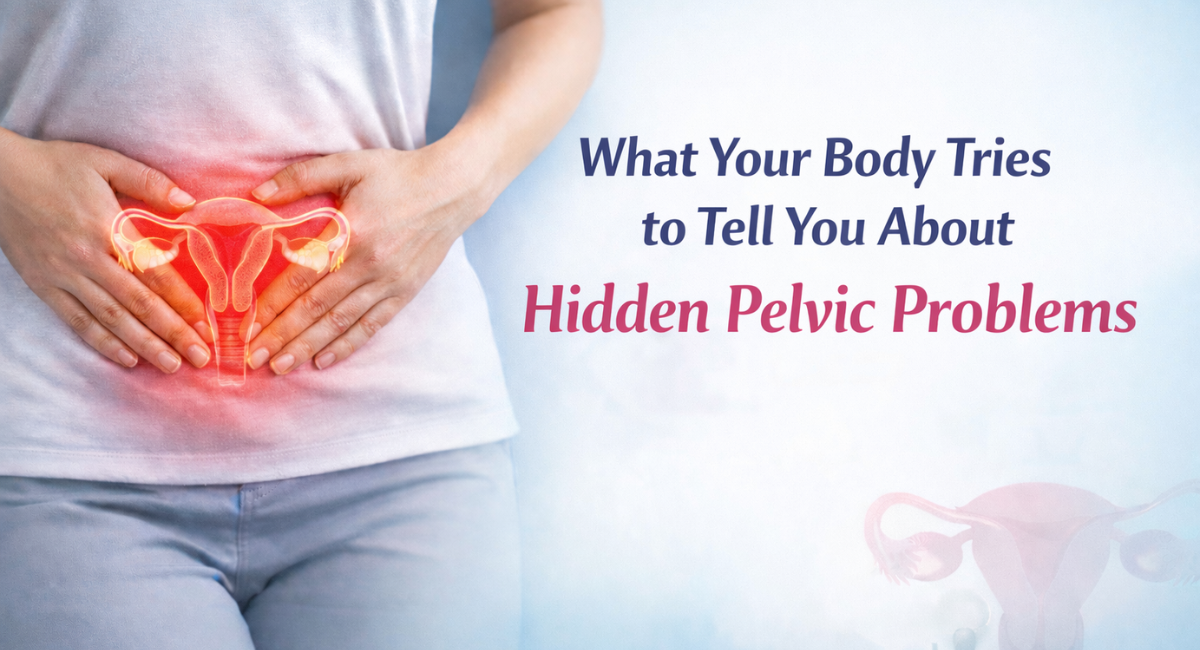
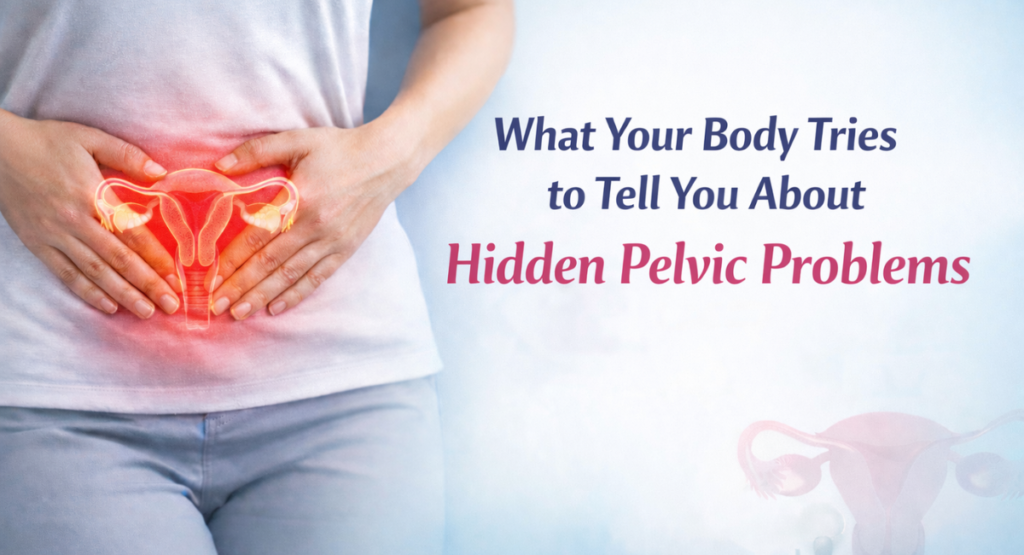
The pelvis houses important organs including the uterus, ovaries, fallopian tubes, bladder, and rectum. When something goes wrong in this area, the symptoms may be subtle at first. Some common hidden pelvic conditions include:
- Polycystic Ovary Syndrome (PCOS)
- Endometriosis
- Pelvic Inflammatory Disease (PID)
- Ovarian cysts
- Uterine fibroids
- Pelvic floor disorders
Many of these conditions develop gradually and may not cause severe pain initially. That’s why recognizing early body signals is crucial.
1. Persistent Pelvic Pain
Occasional cramps during periods are common. But if you experience pelvic pain that:
- Lasts beyond your menstrual cycle
- Occurs during intercourse
- Feels sharp, stabbing, or heavy
- Interferes with daily activities
It may indicate endometriosis, fibroids, infection, or ovarian cysts. Chronic pelvic pain should never be ignored. Early consultation with the best gynae in indore can help determine whether imaging tests or hormonal evaluations are needed.
2. Irregular or Heavy Periods
Your menstrual cycle is one of the strongest indicators of reproductive health. Hidden pelvic disorders often affect hormone balance, leading to:
- Missed periods
- Very heavy bleeding
- Bleeding between periods
- Cycles shorter than 21 days or longer than 35 days
Conditions like PCOS and fibroids commonly present with irregular bleeding patterns. If your cycle suddenly changes, your body may be signaling a deeper issue.
3. Pain During Intercourse
Pain during intimacy is not “normal” and should not be ignored. It can be caused by:
- Endometriosis
- Pelvic infections
- Ovarian cysts
- Vaginal dryness due to hormonal imbalance
Many women hesitate to discuss this symptom, but it is a key sign of hidden pelvic problems. Proper diagnosis ensures relief and prevents worsening of the condition.
4. Unusual Vaginal Discharge
Changes in color, odor, or texture of vaginal discharge may signal infection or inflammation. Pelvic Inflammatory Disease (PID), which often develops due to untreated infections, can cause:
- Lower abdominal pain
- Fever
- Foul-smelling discharge
- Painful urination
Early treatment is important to prevent fertility complications.
5. Difficulty Getting Pregnant
If you have been trying to conceive for over a year without success, underlying pelvic conditions could be the reason. Issues such as blocked fallopian tubes, PCOS, or endometriosis can interfere with ovulation and fertilization.
In such cases, consulting the best gynae in indore ensures timely fertility evaluation and appropriate treatment planning.
6. Frequent Urination or Pressure Sensation
Do you feel constant pressure in the lower abdomen or an urge to urinate frequently? This could indicate:
- Large fibroids pressing on the bladder
- Pelvic floor weakness
- Ovarian masses
These symptoms are often mistaken for urinary infections but may actually be linked to pelvic health problems.
7. Lower Back Pain
Persistent lower back pain, especially around your menstrual cycle, may be connected to endometriosis or pelvic inflammation. When pelvic organs are affected, the pain can radiate to the lower back or thighs.
If back pain worsens during periods, it’s wise to seek evaluation from the best gynae in indore to rule out underlying gynecological causes.
8. Bloating and Digestive Issues
Chronic bloating, constipation, or painful bowel movements may be associated with pelvic disorders. Endometriosis affecting the bowel or large ovarian cysts can cause digestive discomfort.
If bloating is persistent and unrelated to diet, it may be time for a medical check-up.
Why Early Diagnosis Matters
Ignoring early signs can lead to complications such as:
- Infertility
- Chronic pelvic pain
- Severe anemia due to heavy bleeding
- Spread of infection
- Need for more invasive treatments
When diagnosed early, many pelvic problems can be managed with medications, hormonal therapy, lifestyle modifications, or minimally invasive procedures.
Lifestyle Steps to Support Pelvic Health
While medical treatment is essential, maintaining a healthy lifestyle can support pelvic health:
- Maintain a healthy weight
- Exercise regularly
- Follow a balanced diet
- Manage stress levels
- Avoid self-medication
- Schedule routine gynecological check-ups
Preventive care plays a significant role in reducing complications.
When Should You See a Doctor?
You should consult a gynecologist if you experience:
- Pelvic pain lasting more than a few weeks
- Severe menstrual cramps
- Irregular or heavy bleeding
- Pain during intercourse
- Unexplained infertility
- Persistent bloating
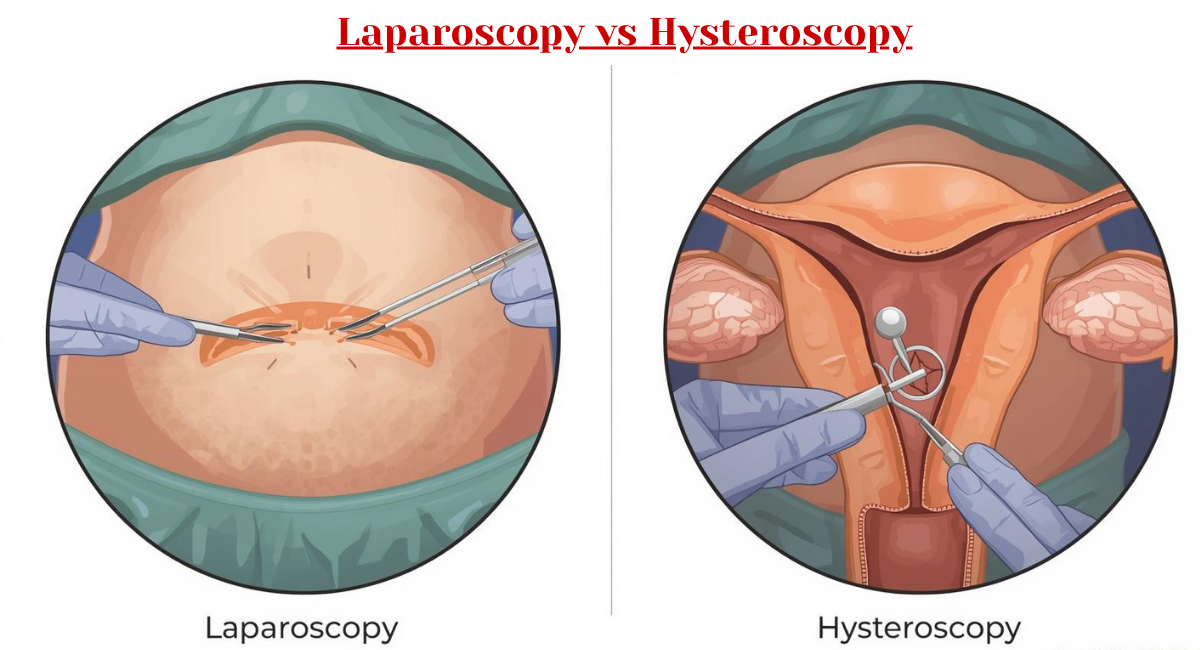
Timely evaluation by the best gynae in indore ensures that even subtle symptoms are thoroughly assessed through ultrasound, hormonal tests, or other diagnostic procedures.
Breaking the Silence Around Pelvic Health
Many women normalize discomfort because they have been told “period pain is common.” While mild cramps are normal, severe or persistent symptoms are not. Listening to your body and seeking professional help can protect your long-term health.
If you notice repeated warning signs, do not delay. Early consultation with the best gynae in indore can help detect hidden pelvic problems before they progress.
Conclusion
Your body constantly communicates with you. Pelvic pain, irregular cycles, unusual discharge, fertility struggles, or pressure in the lower abdomen are not random issues. They may be signals of hidden pelvic problems that require attention.
Ignoring these symptoms can lead to complications, but early diagnosis and proper care can restore comfort, improve fertility outcomes, and enhance overall quality of life. If you recognize any of these signs, prioritize your health and consult the best gynae in indore for a comprehensive evaluation and personalized treatment plan.