


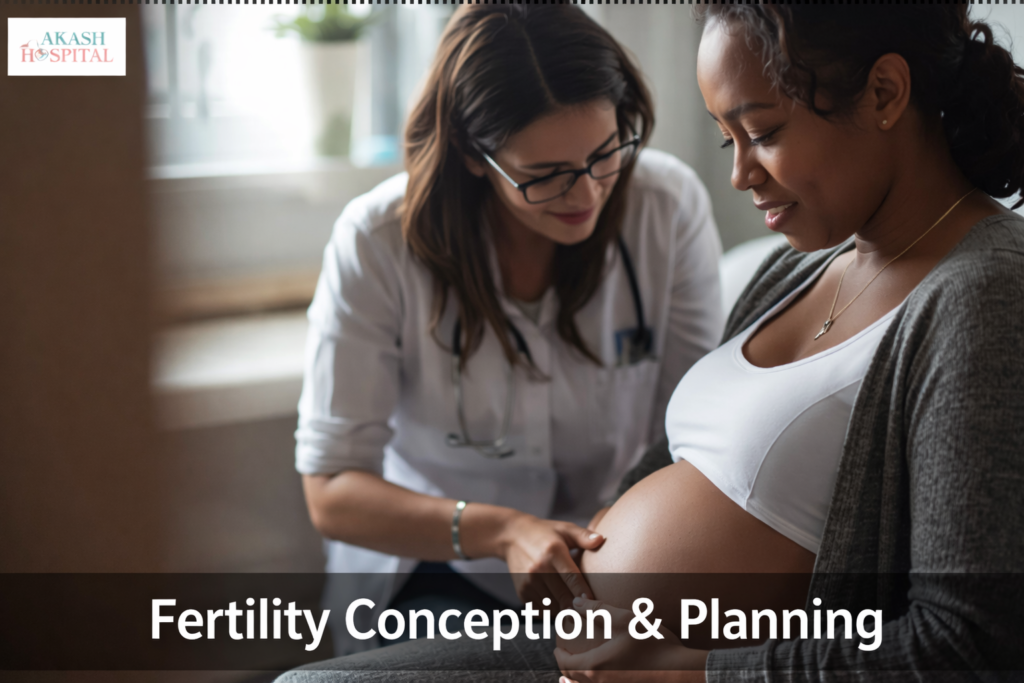
Fertility, Conception & Planning: A Complete Guide for Couples
Planning a pregnancy is an exciting phase, but it can also bring many questions, doubts, and emotional challenges. Every couple’s fertility journey is unique, and understanding the basics of conception, age-related fertility changes, lifestyle factors, and medical guidance can make this journey smoother and more informed.
In this detailed guide, we will explore how long couples should try before consulting a gynecologist, how age affects fertility, the impact of stress, natural ways to improve fertility, and the crucial role a gynecologist plays in family planning. If you are searching for a Lady Doctor near Me for Pregnancy, this blog will also help you understand when and why expert consultation matters.
Understanding Fertility and Conception
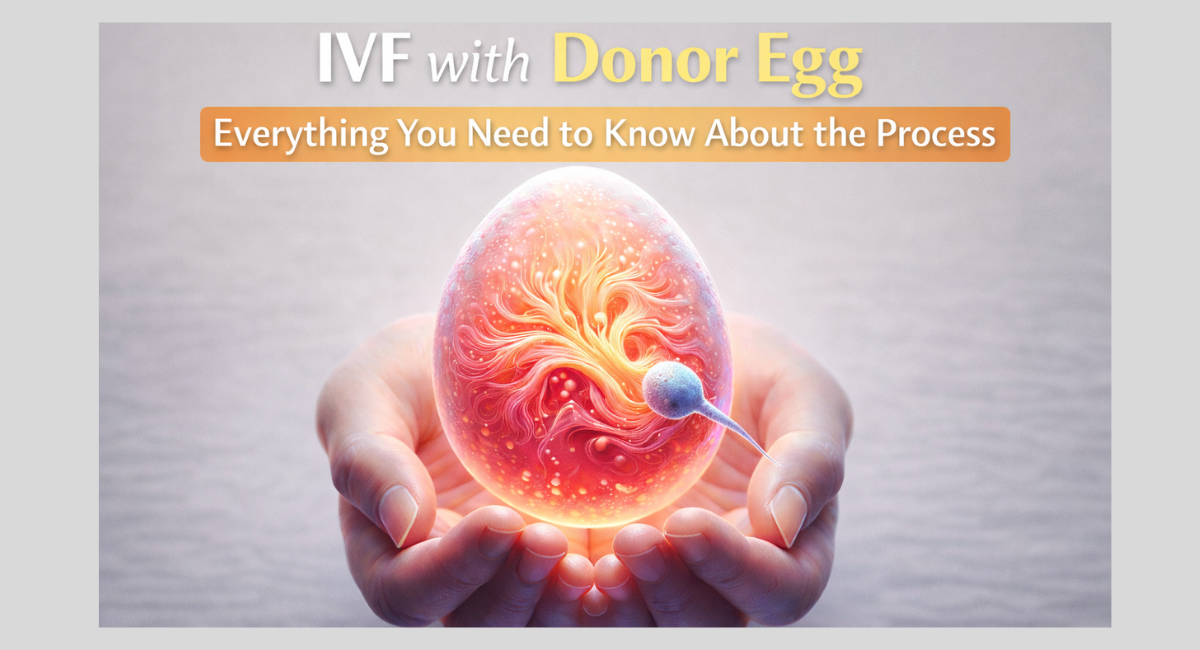
Fertility refers to the natural ability to conceive and carry a pregnancy to term. Conception occurs when a healthy sperm fertilizes a healthy egg, usually during ovulation. Several factors influence this process, including hormonal balance, reproductive health, lifestyle habits, emotional well-being, and age.
While many couples conceive naturally within a few months, others may take longer. This does not always indicate a serious problem, but timely guidance can prevent unnecessary stress and delays.
How Long Should Couples Try Before Consulting a Gynecologist for Fertility?

One of the most common questions couples ask is: “How long should we try before seeing a doctor?” The answer largely depends on the woman’s age and overall health.
General Guidelines:
- Women under 35 years:
Couples are usually advised to try for 12 months of regular, unprotected intercourse before seeking medical advice. - Women aged 35 to 40 years:
It is recommended to consult a gynecologist after 6 months of trying, as fertility naturally declines with age. - Women above 40 years:
Medical consultation should be considered immediately or within a few months, as time becomes a critical factor.
You should also consult a gynecologist earlier if:
- Periods are irregular or absent
- There is a history of PCOS, endometriosis, thyroid disorders, or pelvic infections
- There have been repeated miscarriages
- Either partner has known reproductive health issues
Many couples start searching online for a Lady Doctor near Me for Pregnancy when they realize they need expert advice in a comfortable and understanding environment.
What Age-Related Fertility Changes Should Women Know?
Age is one of the most significant factors affecting female fertility. Women are born with a fixed number of eggs, and both the quantity and quality of eggs decline over time.
Fertility by Age:
- Early 20s to early 30s:
This is considered the most fertile phase. Egg quality is high, and chances of natural conception are better. - After 30 years:
Fertility starts to decline gradually, though many women still conceive naturally. - After 35 years:
The decline becomes more noticeable. There is an increased risk of miscarriage and chromosomal abnormalities. - After 40 years:
Fertility drops significantly. Conception may still occur but often requires medical support.
Understanding these changes helps women make informed decisions about family planning. Consulting a gynecologist early allows for fertility assessments and proactive planning. This is why many women prefer a Lady Doctor near Me for Pregnancy, as it encourages open communication about sensitive concerns.
How Does Stress Affect Conception?
Stress is often overlooked but plays a major role in fertility. Chronic stress can disrupt the hormonal balance necessary for ovulation and regular menstrual cycles.
Effects of Stress on Fertility:
- Irregular or delayed ovulation
- Hormonal imbalances
- Reduced libido
- Emotional fatigue and anxiety
- Impact on sperm quality in men
Stress does not directly “cause” infertility, but it can reduce the chances of conception by interfering with the body’s natural reproductive processes. The pressure of trying to conceive, societal expectations, and fear of failure can further add to emotional stress.
Managing stress through counseling, relaxation techniques, and medical guidance can significantly improve overall reproductive health. A supportive gynecologist plays an important role in addressing both physical and emotional well-being.
Can Lifestyle Changes Improve Fertility Naturally?
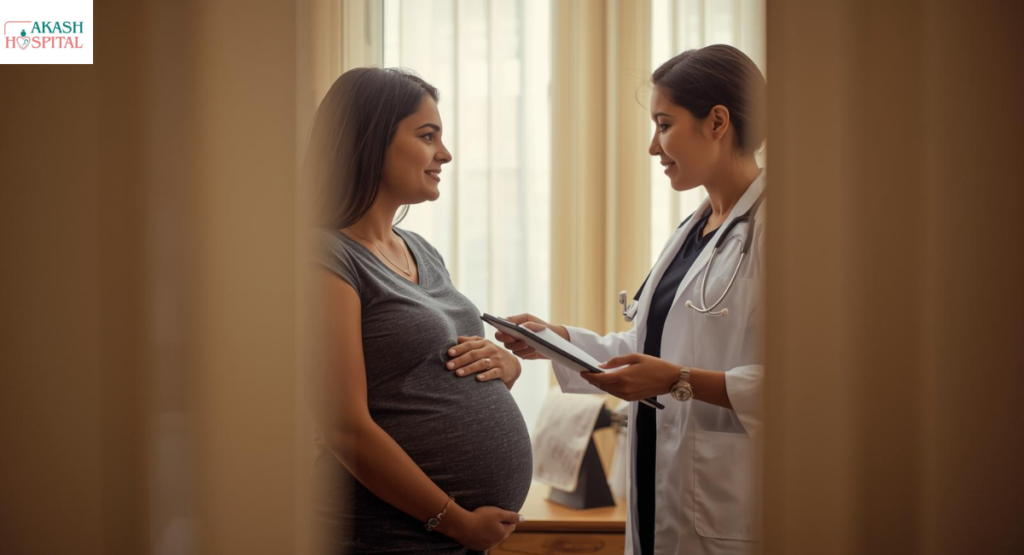
Yes, lifestyle changes can greatly improve fertility in both women and men. Small but consistent changes often make a big difference.
Natural Ways to Improve Fertility:
1. Balanced Diet
A diet rich in fruits, vegetables, whole grains, lean protein, and healthy fats supports hormonal balance and egg health.
2. Maintain a Healthy Weight
Both underweight and overweight women may face ovulation problems. Maintaining a healthy BMI improves fertility.
3. Regular Exercise
Moderate physical activity boosts circulation, reduces stress, and supports hormonal health. Avoid excessive or intense workouts.
4. Adequate Sleep
Poor sleep can disrupt reproductive hormones. Aim for 7–8 hours of quality sleep daily.
5. Avoid Smoking and Alcohol
Smoking reduces egg quality, and excessive alcohol can affect ovulation and implantation.
6. Reduce Caffeine Intake
High caffeine consumption may affect fertility. Moderate intake is recommended.
7. Track Ovulation
Understanding the fertile window increases the chances of conception naturally.
While these changes are helpful, they may not always be sufficient. In such cases, consulting a specialist or searching for a trusted Lady Doctor near Me for Pregnancy can provide personalized guidance.
What Role Does a Gynecologist Play in Family Planning?
A gynecologist is not only involved after pregnancy but plays a vital role before conception as well.
Key Roles of a Gynecologist in Fertility & Planning:
- Preconception Counseling:
Assessing health, lifestyle, and medical history before pregnancy. - Fertility Evaluation:
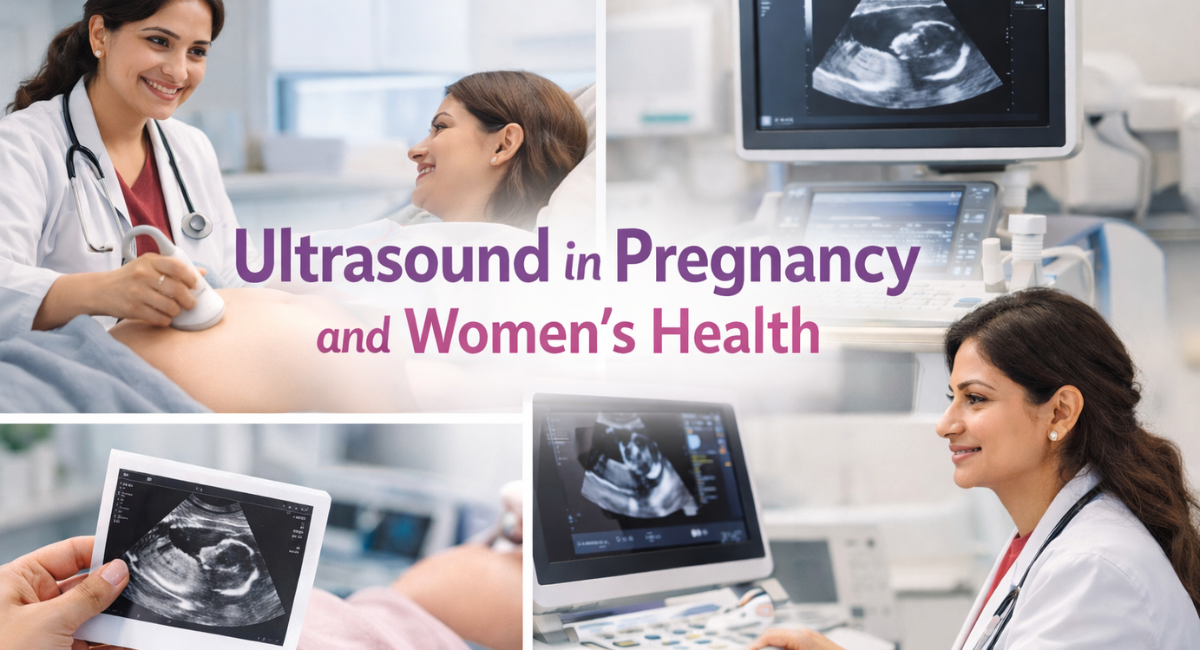
Hormonal tests, ultrasound scans, ovulation tracking, and other assessments. - Guidance on Timing:
Helping couples understand fertile windows and optimal timing. - Managing Medical Conditions:
Treating PCOS, thyroid disorders, infections, or menstrual irregularities. - Emotional Support:
Addressing anxiety, stress, and emotional challenges during the fertility journey. - Family Planning Advice:
Helping couples decide when and how to plan pregnancy safely.
Many women feel more comfortable discussing reproductive health with a female specialist, which is why searches for a Lady Doctor near Me for Pregnancy are very common during the planning phase.
When Should You Seriously Consider Medical Help?
You should not wait too long if:
- You are above 35 and not conceiving
- Periods are highly irregular
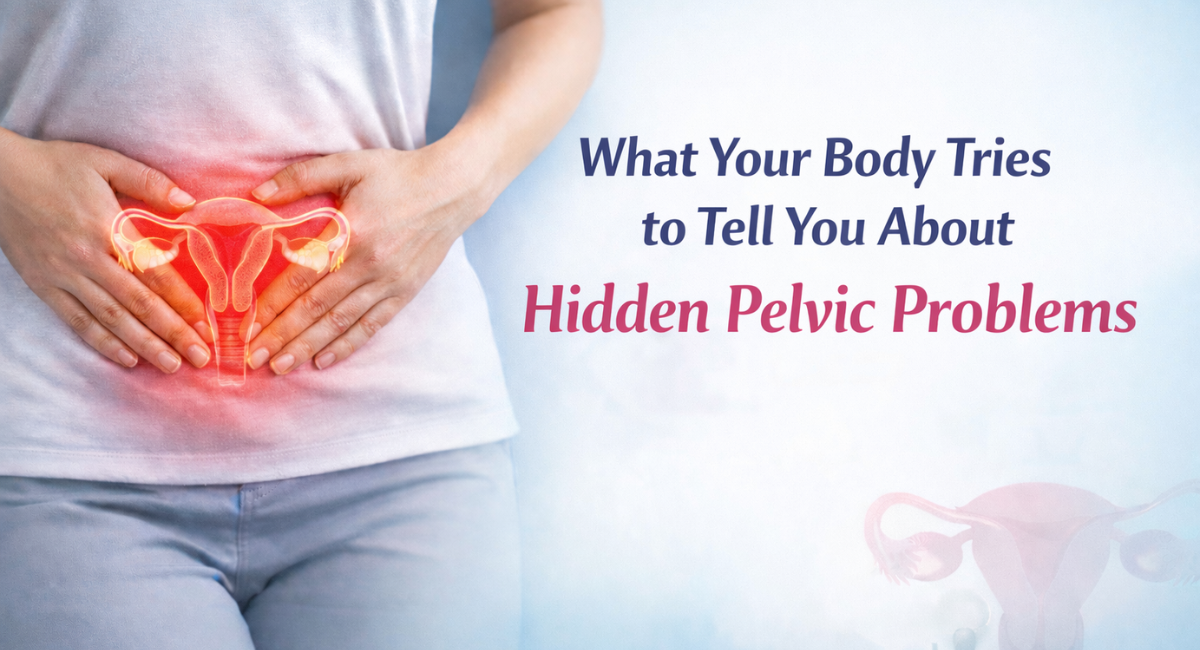
- There is severe pain during periods
- There is a known medical or surgical history affecting fertility
- Emotional stress is becoming overwhelming
Early intervention often leads to better outcomes and reduces emotional strain.
Emotional Well-being During the Fertility Journey
Trying to conceive can be emotionally draining. It is important for couples to:
- Communicate openly with each other
- Avoid self-blame
- Seek professional guidance when needed
- Focus on overall health, not just pregnancy
A compassionate gynecologist understands these emotional aspects and supports couples holistically, not just medically.
Conclusion
Fertility, conception, and family planning are deeply personal journeys influenced by age, lifestyle, emotional health, and medical factors. Understanding when to seek help, making healthy lifestyle changes, managing stress, and consulting the right specialist can significantly improve the chances of conception.
If you are planning a pregnancy or facing difficulties conceiving, timely consultation with a trusted Lady Doctor near Me for Pregnancy can provide clarity, confidence, and the right direction for your journey toward parenthood.
Remember, seeking help is not a sign of failure—it is a step toward informed, healthy, and hopeful family planning.