


Laparoscopy vs Hysteroscopy: Let’s Clear It Up Once and for All
When it comes to modern gynecological diagnosis and treatment, minimally invasive procedures have completely changed the way women’s health issues are managed. Two of the most commonly recommended procedures are Laparoscopy and Hysteroscopy.Although they sound similar and are often confused with each other, they serve very different purposes. Many women feel anxious simply because they don’t understand what these procedures involve. This blog aims to clear the confusion, explain both procedures in detail, and help you understand which one is right for your condition.If you are consulting the best gyno doctor in indore, you will often hear these terms during infertility evaluation, abnormal bleeding, or pelvic pain assessment.
What Is Laparoscopy?
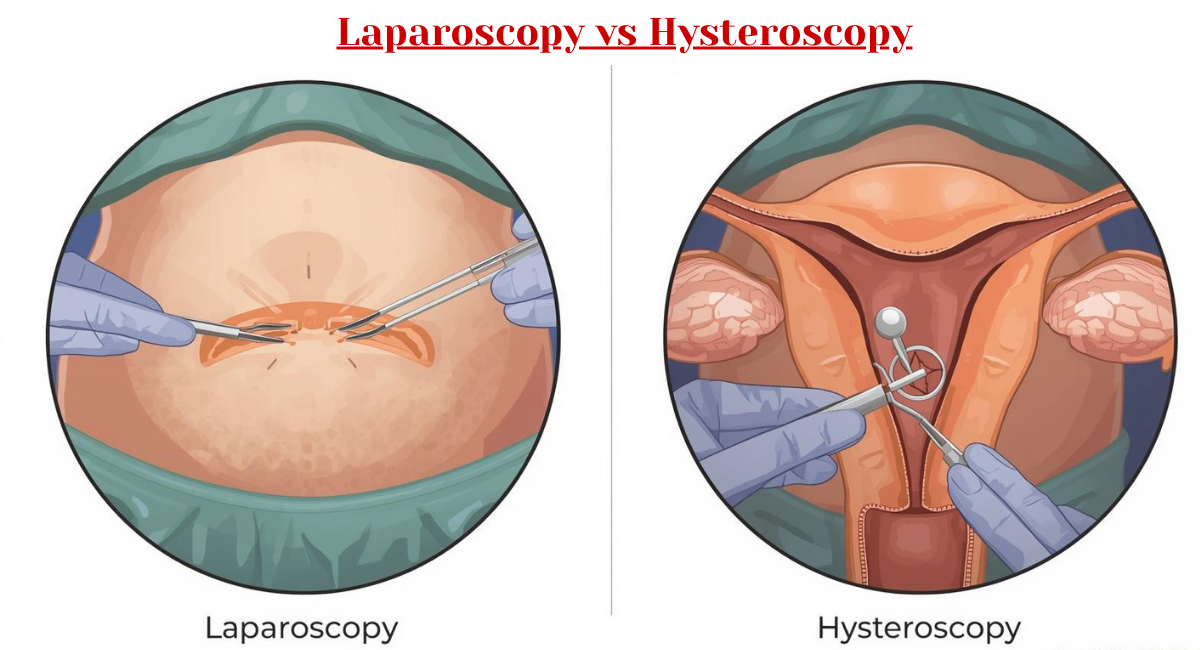
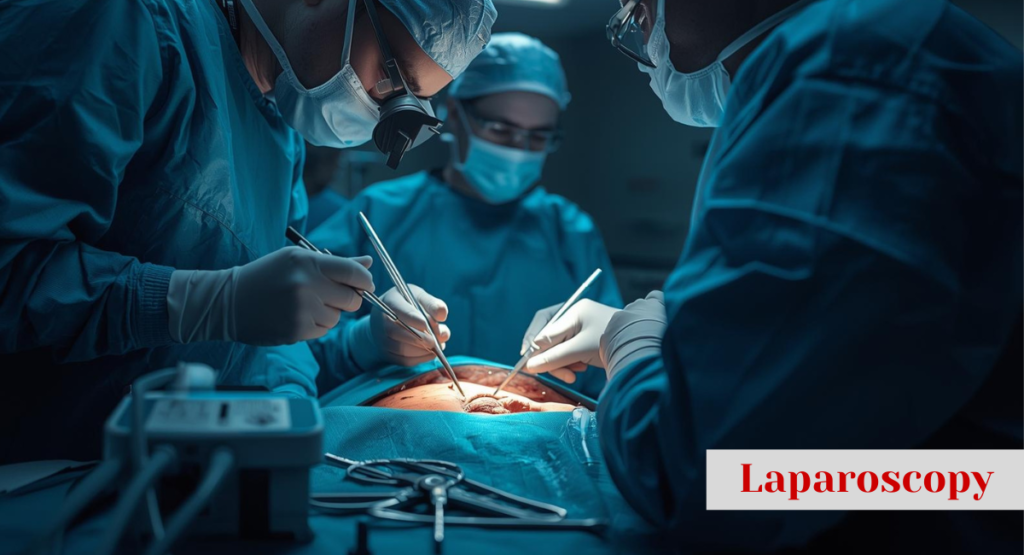
Laparoscopy is a minimally invasive surgical procedure used to examine and treat conditions inside the abdomen and pelvis. It allows doctors to see organs such as the uterus, ovaries, fallopian tubes, and surrounding pelvic structures.
How Laparoscopy Is Done
- Performed under general anesthesia
- A small incision (usually near the navel) is made
- A thin instrument called a laparoscope (with a camera) is inserted
- Carbon dioxide gas is used to gently inflate the abdomen for clear visibility
- Additional tiny incisions may be made for surgical instruments
Common Conditions Diagnosed or Treated with Laparoscopy
- Infertility evaluation
- Endometriosis
- Ovarian cysts
- Fibroids (external or large)
- Pelvic adhesions
- Ectopic pregnancy
- Chronic pelvic pain
Because laparoscopy gives a complete view of the pelvic organs, it is considered the gold standard for diagnosing many hidden gynecological problems.
What Is Hysteroscopy?
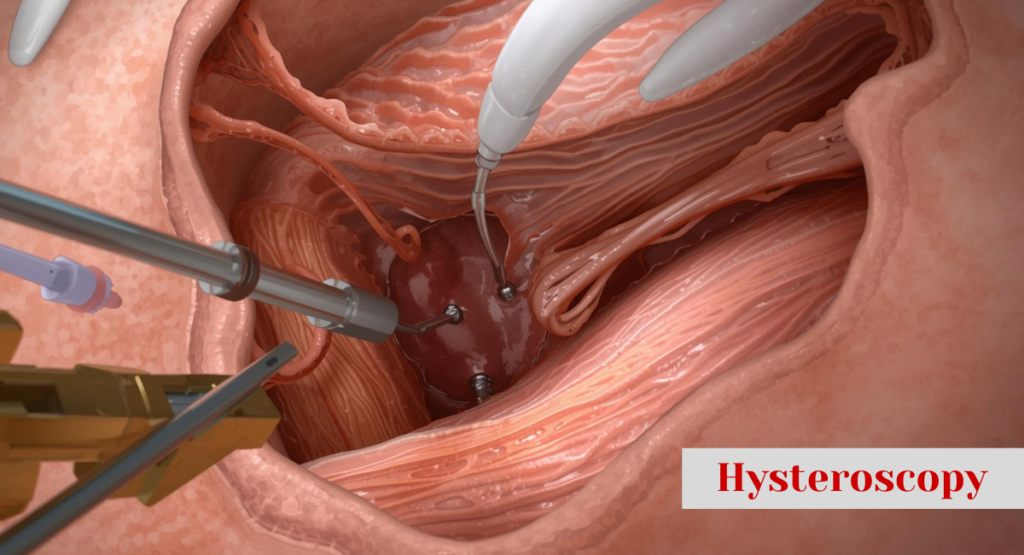
Hysteroscopy is a procedure used to examine the inside of the uterus (uterine cavity). Unlike laparoscopy, it does not involve any abdominal incisions.
How Hysteroscopy Is Done
- A thin, lighted instrument called a hysteroscope is passed through the vagina and cervix
- No cuts or stitches are required
- Usually done under local anesthesia, sedation, or sometimes without anesthesia
- Saline fluid is used to expand the uterus for better visibility
Common Conditions Diagnosed or Treated with Hysteroscopy
- Abnormal uterine bleeding
- Uterine polyps
- Submucosal fibroids
- Septate uterus
- Recurrent miscarriages
- Removal of retained products after pregnancy
- Evaluation before IVF or fertility treatment
Women visiting the best gyno doctor in indore for irregular periods or repeated IVF failures are often advised hysteroscopy for accurate diagnosis.
Key Differences Between Laparoscopy and Hysteroscopy
Let’s break it down clearly
1. Area Examined
- Laparoscopy: Outside the uterus (pelvic and abdominal organs)
- Hysteroscopy: Inside the uterus only
2. Type of Procedure
- Laparoscopy: Surgical procedure with small abdominal cuts
- Hysteroscopy: Non-surgical, natural opening (vagina and cervix)
3. Anesthesia Required
- Laparoscopy: General anesthesia
- Hysteroscopy: Local anesthesia or mild sedation
4. Recovery Time
- Laparoscopy: 3–7 days
- Hysteroscopy: Same day or next day
5. Pain and Discomfort
- Laparoscopy: Mild to moderate post-operative pain
- Hysteroscopy: Minimal discomfort or mild cramping
6. Hospital Stay
- Laparoscopy: Usually day care or overnight stay
- Hysteroscopy: Mostly day care procedure
Which Procedure Is Better?
This is one of the most common questions – but the answer is simple:
Neither is better. They are different.
The choice depends entirely on:
- Your symptoms
- Your medical history
- Your fertility goals
- Doctor’s clinical findings
An experienced specialist, such as the best gyno doctor in indore, will recommend the right procedure based on what needs to be examined or treated.
Laparoscopy in Infertility Treatment
Laparoscopy plays a crucial role in infertility diagnosis, especially when:
- Ultrasound results are normal but pregnancy is not happening
- There is suspicion of endometriosis
- Tubal blockage needs confirmation
- Pelvic adhesions are suspected
In many cases, diagnosis and treatment are done in the same procedure, improving chances of natural conception.
Hysteroscopy in Fertility and IVF
Hysteroscopy is extremely important before IVF or fertility treatments. Even small abnormalities inside the uterus can prevent implantation.
Benefits include:
- Improved IVF success rates
- Removal of polyps or fibroids
- Correction of uterine shape issues
- Accurate evaluation of recurrent pregnancy loss
Most fertility experts and the best gyno doctor in indore recommend hysteroscopy before advanced fertility procedures.
Are These Procedures Safe?
Yes. Both laparoscopy and hysteroscopy are safe and widely practiced procedures when performed by trained specialists.
Possible Risks (Rare)
- Infection
- Bleeding
- Reaction to anesthesia
- Injury to nearby organs (very rare)
Choosing an experienced gynecologist significantly reduces risks and ensures faster recovery.
Cost Difference Between Laparoscopy and Hysteroscopy
While costs vary based on hospital and complexity:
- Laparoscopy: Generally more expensive due to anesthesia and surgical setup
- Hysteroscopy: Comparatively affordable
Your doctor will explain the cost clearly before the procedure.
How to Prepare for the Procedure
Before Laparoscopy
- Fasting for 6–8 hours
- Blood tests and imaging
- Stop certain medications if advised
Before Hysteroscopy
- Usually scheduled after periods
- Minimal preparation required
- Sometimes mild painkillers advised
Life After the Procedure
Most women return to normal routine quickly:
- Mild spotting is common after hysteroscopy
- Shoulder pain or bloating may occur after laparoscopy
- Avoid heavy activity for a few days as advised
Proper follow-up with the best gyno doctor in indore ensures optimal results and peace of mind.
Final Thoughts
Understanding the difference between laparoscopy and hysteroscopy removes fear and empowers women to make informed decisions about their health.
Both procedures are valuable tools in modern gynecology, and when used correctly, they can diagnose problems early, improve fertility outcomes, and avoid unnecessary major surgeries.
If you are experiencing symptoms like infertility, abnormal bleeding, or chronic pelvic pain, consult the best gyno doctor in indore to determine which procedure is right for you.