


Pregnancy & Maternity Care: A Complete Guide for a Healthy Mother and Baby
Pregnancy is one of the most beautiful and transformative phases in a woman’s life. It brings joy, excitement, and anticipation, but it also comes with many physical, emotional, and medical changes. Proper pregnancy and maternity care are essential to ensure the health and well-being of both the mother and the baby. From the moment you see a positive pregnancy test to delivery and beyond, expert medical guidance plays a vital role.
In this comprehensive guide, we will cover when to visit a gynecologist after a positive pregnancy test, early signs of pregnancy, antenatal checkup schedules, foods to avoid, the role of a gynecologist in ensuring a healthy pregnancy, high-risk pregnancy management, and the difference between normal delivery and C-section.
If you are searching for a trusted Women Specialist near Me, this guide will help you understand why early and regular care is so important.
When Should I Visit a Gynecologist After a Positive Pregnancy Test?
Once you get a positive pregnancy test, it is recommended to visit a gynecologist within 6–8 weeks of pregnancy. This first visit is crucial to confirm the pregnancy and assess your overall health.
During the first visit, the gynecologist will:
- Confirm pregnancy through blood tests or ultrasound
- Estimate your due date
- Review your medical and family history
- Advise necessary supplements like folic acid and iron
- Explain lifestyle changes and precautions
Early consultation with a Women Specialist near Me helps identify any potential risks at the beginning itself and ensures that the pregnancy progresses smoothly from the start.
What Are the Early Signs of Pregnancy?
Early pregnancy symptoms can vary from woman to woman. Some women notice symptoms very early, while others may realize later.

Common Early Signs of Pregnancy:
- Missed menstrual period
- Nausea or morning sickness
- Breast tenderness or swelling
- Fatigue and sleepiness
- Frequent urination
- Mood swings
- Mild abdominal cramps or spotting (implantation bleeding)
These signs are normal, but if you experience severe pain, heavy bleeding, or dizziness, you should immediately consult a Women Specialist near Me for evaluation and reassurance.
How Often Are Antenatal Checkups Required During Pregnancy?
Antenatal care involves regular medical checkups throughout pregnancy to monitor the health of the mother and baby.
Recommended Antenatal Visit Schedule:
- Up to 28 weeks: Once every 4 weeks
- 28 to 36 weeks: Once every 2 weeks
- After 36 weeks: Weekly visits until delivery
During antenatal checkups, the gynecologist monitors:
- Blood pressure
- Weight gain
- Fetal growth and heartbeat
- Blood and urine tests
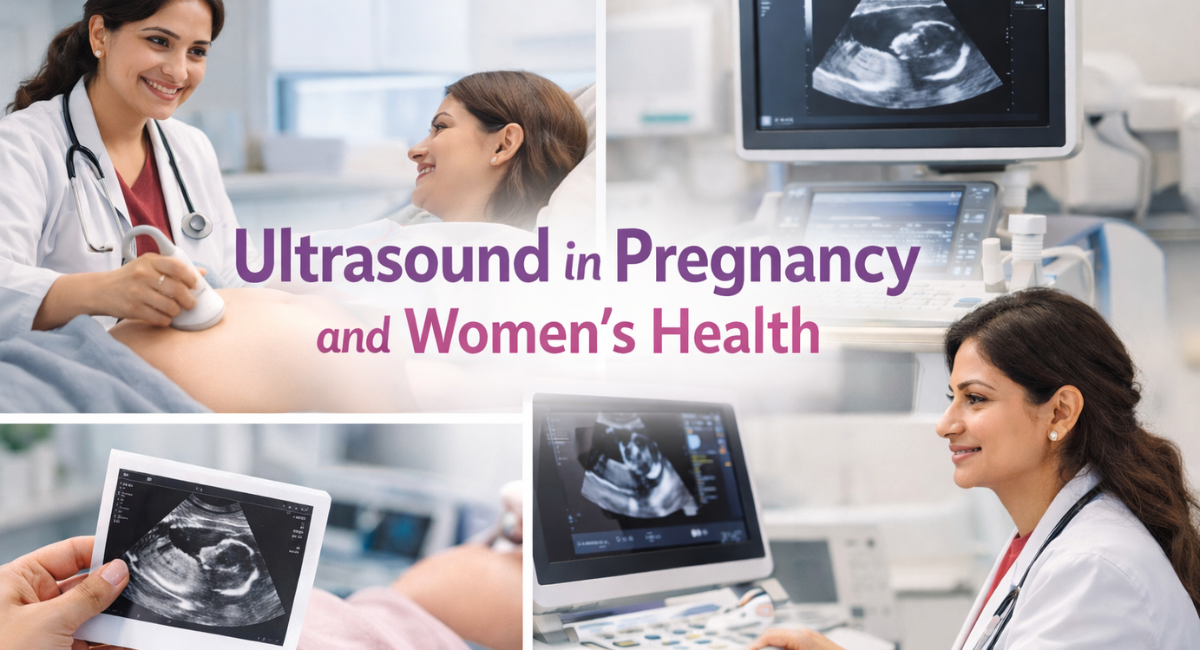
- Ultrasound scans
Regular visits to a Women Specialist near Me help detect complications early and ensure timely medical intervention when needed.
What Foods Should Be Avoided During Pregnancy?
A healthy diet is essential during pregnancy, but some foods should be avoided to protect both mother and baby.
Foods to Avoid During Pregnancy:
- Raw or undercooked meat, eggs, and seafood
- Unpasteurized milk and dairy products
- Excess caffeine (limit tea and coffee)
- Junk food and highly processed foods
- Raw papaya and pineapple in excess
- Alcohol and smoking (strictly prohibited)
Your gynecologist or Women Specialist near Me may also provide a customized diet plan based on your nutritional needs and health conditions.
What should a pregnant woman eat?
- Fresh fruits and vegetables – Provide essential vitamins, minerals, and fiber for digestion and immunity
- Whole grains – Brown rice, oats, and whole wheat bread give energy and help prevent constipation
- Protein-rich foods – Lentils, beans, eggs, dairy products, and well-cooked meat or fish support baby’s growth
- Calcium-rich foods – Milk, curd, paneer, and cheese help build strong bones and teeth
- Iron-rich foods – Green leafy vegetables, dates, jaggery, and pulses help prevent anemia
- Healthy fats – Nuts, seeds, and vegetable oils support brain development
- Plenty of fluids – Water, coconut water, and soups help maintain hydration
Always consult a doctor or gynecologist for a personalized pregnancy diet plan.
How Can a Gynecologist Help Ensure a Healthy Pregnancy?
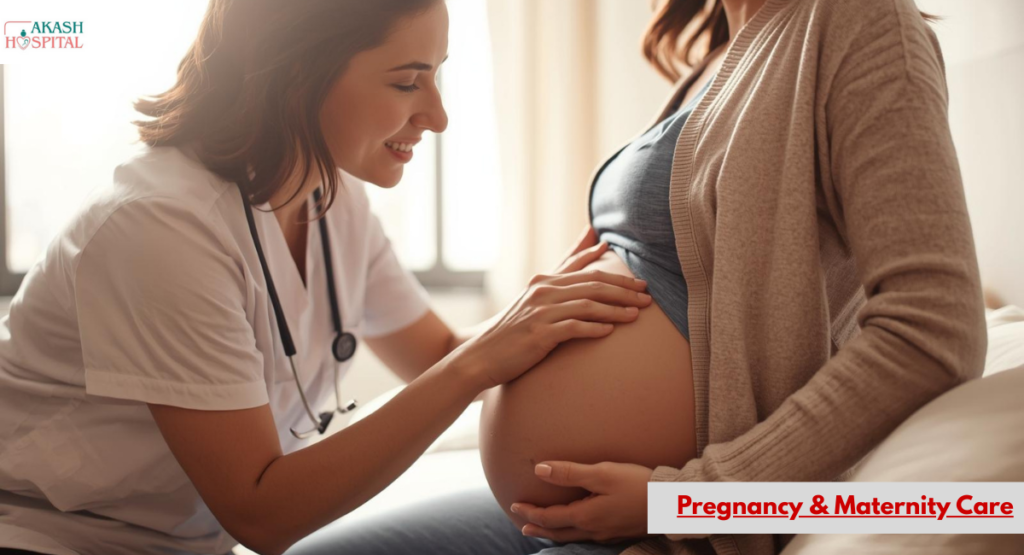
A gynecologist plays a central role in guiding you through every stage of pregnancy. Their expertise helps prevent complications and ensures the best possible outcomes.
Role of a Gynecologist in Pregnancy Care:
- Monitoring fetal development through scans
- Managing common pregnancy symptoms
- Prescribing safe medications and supplements
- Advising on exercise and lifestyle changes
- Preparing you for labor and delivery
- Providing emotional support and reassurance
Choosing an experienced Women Specialist near Me ensures personalized care, timely diagnosis, and confidence throughout your pregnancy journey.
What Is a High-Risk Pregnancy and How Is It Managed?

A pregnancy is considered high-risk when there is a greater chance of complications affecting the mother or baby.
Common Causes of High-Risk Pregnancy:
- Diabetes or high blood pressure
- Thyroid disorders
- Previous pregnancy complications
- Multiple pregnancy (twins or more)
- Advanced maternal age
- Severe anemia or infections
Management of High-Risk Pregnancy:
- More frequent antenatal visits
- Additional blood tests and ultrasounds
- Strict monitoring of mother and baby
- Specialized medications or hospital care if required
With expert supervision from a Women Specialist near Me, most high-risk pregnancies can be managed safely, leading to healthy deliveries.
What Is the Difference Between Normal Delivery and C-Section?
Understanding delivery options helps reduce anxiety and prepares expectant mothers mentally and physically.
Normal (Vaginal) Delivery:
- Natural birth process
- Shorter hospital stay
- Faster recovery
- Lower risk of surgical complications
Cesarean Section (C-Section):
- Surgical delivery of the baby
- Recommended when vaginal delivery is risky
- Longer recovery period
- Necessary in cases like fetal distress or placenta issues
Your gynecologist will always prioritize the safety of both mother and baby. A trusted Women Specialist near Me will guide you in choosing the safest delivery method based on your medical condition.
Importance of Choosing the Right Women Specialist
Pregnancy care is not just about medical treatment; it is about trust, comfort, and continuous support. Choosing the right doctor makes a significant difference in your overall experience.
A reliable Women Specialist near Me offers:
- Comprehensive maternity care
- Advanced diagnostic facilities
- Personalized pregnancy planning
- Emergency support when needed
- Post-delivery care and guidance
Conclusion
Pregnancy is a life-changing journey that requires proper care, attention, and expert medical guidance. From early pregnancy symptoms to antenatal checkups, nutrition, delivery planning, and postnatal care, every stage matters. Regular consultations and timely interventions ensure a healthy pregnancy and a safe delivery.
If you are pregnant or planning to conceive, do not delay seeking expert care. Consulting a trusted Women Specialist near Me can help you navigate pregnancy with confidence, comfort, and peace of mind. Remember, a healthy mother leads to a healthy baby, and the right medical support makes all the difference.