

Women often ignore changes in their bodies, especially when it comes to menstrual irregularities or lower abdominal discomfort. Many assume it’s “normal,” due to stress, hormonal imbalance, or lifestyle changes. However, unusual bleeding or persistent pelvic pain can sometimes signal an underlying health issue that needs medical attention. In such situations, consulting the best gynae in indore can help ensure timely diagnosis, proper treatment, and long-term reproductive health care.
Understanding when symptoms are harmless and when they require professional care is crucial for protecting long-term reproductive and overall health.
Let’s explore what unusual bleeding and pelvic pain mean, their possible causes, warning signs, and when to consult a specialist.
What Is Considered Unusual Bleeding?
Menstrual cycles vary from woman to woman. However, bleeding may be considered unusual if it includes:
- Bleeding between periods
- Very heavy menstrual flow
- Periods lasting longer than 7–8 days
- Bleeding after menopause
- Bleeding after intercourse
- Extremely irregular cycles
Occasional irregularity may not be serious, but repeated abnormal bleeding should never be ignored.
Understanding Pelvic Pain
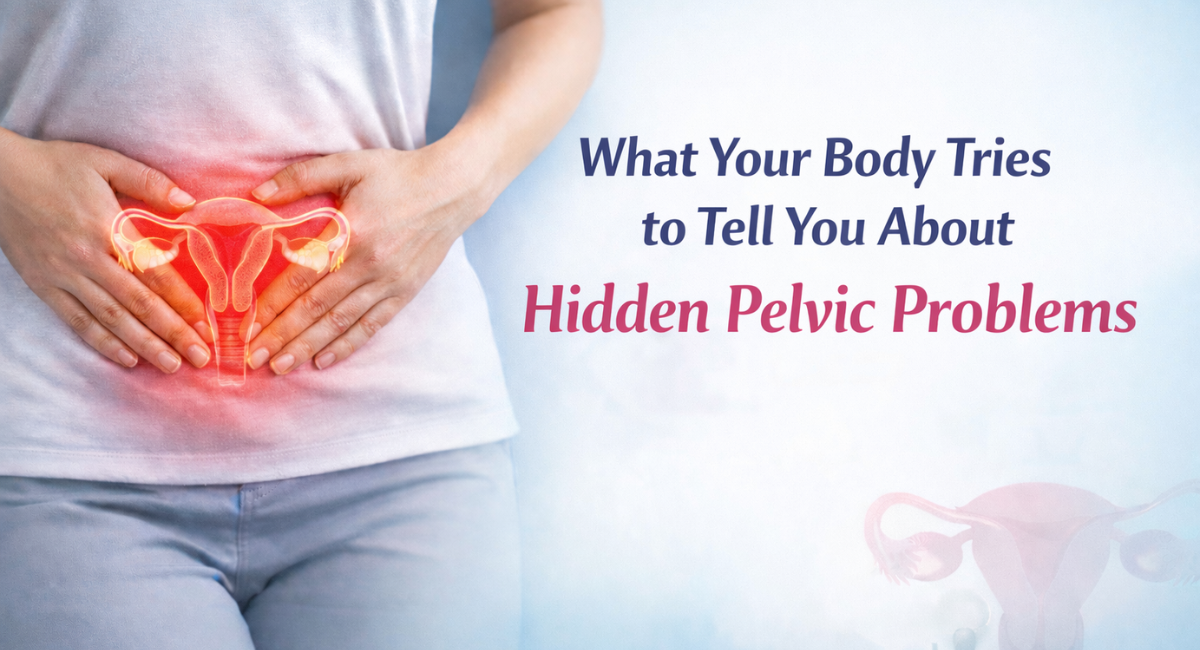
Pelvic pain refers to discomfort in the lower abdomen, below the belly button, and between the hips. It may be:
- Sharp or stabbing
- Dull and constant
- Cramp-like
- Occasional or continuous
Some women experience mild pain during menstruation, which can be normal. However, severe, persistent, or worsening pelvic pain requires evaluation.
If you are unsure about your symptoms, consulting the best gynae in indore can help identify the root cause early.
Common Causes of Unusual Bleeding
1. Hormonal Imbalance
Hormones regulate your menstrual cycle. Stress, thyroid disorders, PCOS, or sudden weight changes can disturb this balance, causing irregular or heavy bleeding.
2. Polycystic Ovary Syndrome (PCOS)
PCOS is one of the leading causes of irregular periods. Women may experience:
- Delayed cycles
- Heavy bleeding
- Acne
- Weight gain
3. Uterine Fibroids
Fibroids are non-cancerous growths in the uterus that can cause:
- Heavy periods
- Pelvic pressure
- Back pain
4. Endometriosis
This painful condition occurs when tissue similar to the uterine lining grows outside the uterus, leading to:
- Severe period pain
- Pain during intercourse
- Heavy bleeding
5. Infections
Pelvic infections or sexually transmitted infections can cause:
- Irregular bleeding
- Lower abdominal pain
- Fever or abnormal discharge
6. Pregnancy-Related Issues
Bleeding during early pregnancy may indicate:
- Implantation bleeding
- Miscarriage risk
- Ectopic pregnancy
Immediate medical attention is necessary in such cases.
Causes of Pelvic Pain
Pelvic pain can arise from multiple systems in the body, including reproductive, urinary, or digestive systems.
Gynecological Causes
- Ovarian cysts
- Fibroids
- Endometriosis
- Pelvic inflammatory disease
Urinary Causes
- Urinary tract infection (UTI)
- Kidney stones
Digestive Causes
- Irritable bowel syndrome (IBS)
- Constipation
- Appendicitis
Because pelvic pain has many possible causes, diagnosis should not be delayed. Consulting the best gynae in indore ensures proper investigation and treatment planning.
Warning Signs You Should Not Ignore
Seek medical care immediately if you experience:
- Sudden severe pelvic pain
- Heavy bleeding soaking pads every hour
- Bleeding after menopause
- Fainting or dizziness
- Fever with pelvic pain
- Pain during pregnancy
Early detection can prevent complications and improve treatment outcomes.
Why Women Often Delay Treatment
Many women delay seeing a doctor because:
- They think pain is “normal”
- They feel embarrassed discussing symptoms
- They are busy with work or family responsibilities
- They fear diagnosis
However, ignoring symptoms can lead to worsening conditions and fertility complications. Regular gynecological checkups are essential for early detection.
Choosing the best gynae in indore gives women confidence, comfort, and professional guidance in addressing sensitive health concerns.
How Doctors Diagnose the Problem
If you visit a gynecologist for unusual bleeding or pelvic pain, the evaluation may include:
- Detailed medical history
- Physical and pelvic examination
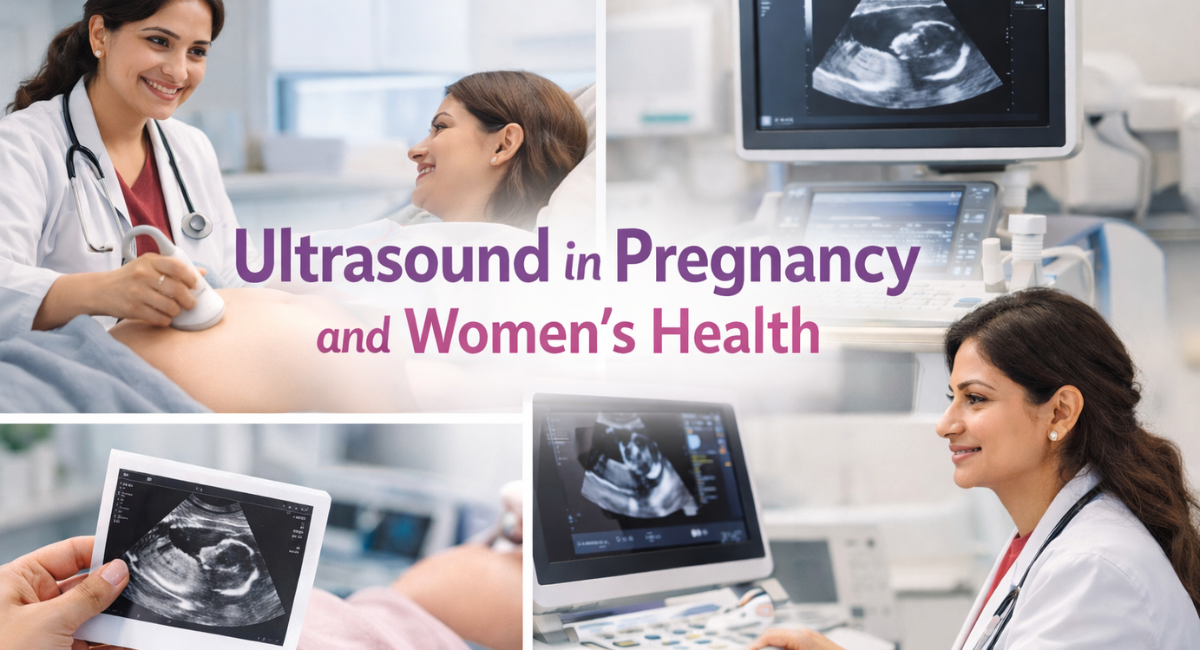
- Ultrasound scan
- Blood tests
- Pap smear (if required)
- Hormonal evaluation
These tests help determine the exact cause and guide treatment.
Treatment Options Available
Treatment depends on the underlying cause.
For Hormonal Imbalance
- Lifestyle modifications
- Hormonal medications
- Birth control pills (if suitable)
For Fibroids or Cysts
- Medication
- Minimally invasive surgery
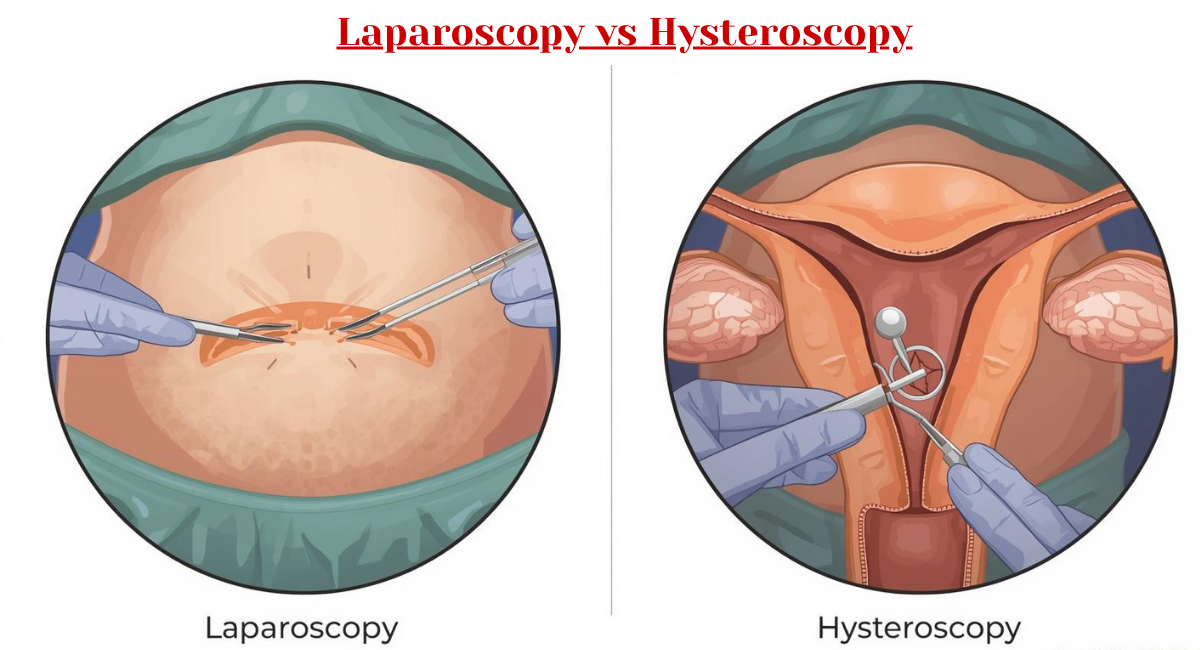
- Laparoscopic procedures
For Infections
- Antibiotics
- Anti-inflammatory medicines
For Endometriosis
- Pain management
- Hormone therapy
- Surgical intervention (if severe)
Modern gynecology focuses on minimally invasive techniques, reducing recovery time and discomfort.
An experienced and compassionate approach from the best gynae in indore ensures personalized care tailored to each woman’s needs.
When Is It an Emergency?
Certain symptoms require urgent medical attention:
- Sudden unbearable abdominal pain
- Suspected ectopic pregnancy
- Heavy uncontrolled bleeding
- Signs of shock (cold skin, weakness, confusion)
Never ignore emergency symptoms. Timely action can save lives.
The Importance of Regular Gynecological Checkups
Routine checkups help in:
- Detecting problems early
- Monitoring menstrual health
- Preventing complications
- Maintaining fertility health
Even if you feel healthy, annual visits to a gynecologist are recommended.
Women who consult the best gynae in indore regularly are more likely to maintain balanced reproductive health and prevent long-term issues.
Lifestyle Tips to Support Women’s Health
While medical care is essential, lifestyle also plays a major role.
* Maintain a healthy weight
* Eat iron-rich and balanced meals
* Exercise regularly
* Manage stress levels
* Avoid self-medication
* Track your menstrual cycle
Using a period tracking app can help identify abnormal patterns early.
Emotional Impact of Gynecological Symptoms
Unusual bleeding and pelvic pain can affect mental health too. Women may feel:
- Anxiety
- Mood swings
- Fear of infertility
- Irritation due to chronic discomfort
Open communication with a qualified specialist reduces stress and provides clarity about diagnosis and treatment options.
Breaking the Silence Around Women’s Health
In many families, discussions about menstrual health are still considered taboo. This silence prevents women from seeking timely help.
Women should feel empowered to:
- Ask questions
- Seek medical advice
- Understand their bodies
- Prioritize self-care
Consulting the best gynae in indore provides not just treatment but also education and reassurance.
Final Thoughts
Unusual bleeding or pelvic pain is your body’s way of signaling that something may need attention. While not every symptom indicates a serious problem, persistent or severe signs should never be ignored.
Early diagnosis leads to better outcomes, faster recovery, and peace of mind.
If you are experiencing irregular bleeding, persistent pelvic pain, or any concerning symptoms, do not delay seeking professional advice. Timely consultation with the best gynae in indore can make all the difference in protecting your reproductive health and overall well-being.
Your health deserves attention, care, and expert guidance—because prevention is always better than cure.